The Confusion
If you've been told you have a bulging disc, you might have panicked. The language sounds alarming. But understanding the difference between a bulging disc and a herniated disc is one of the most empowering things you can do for your recovery.
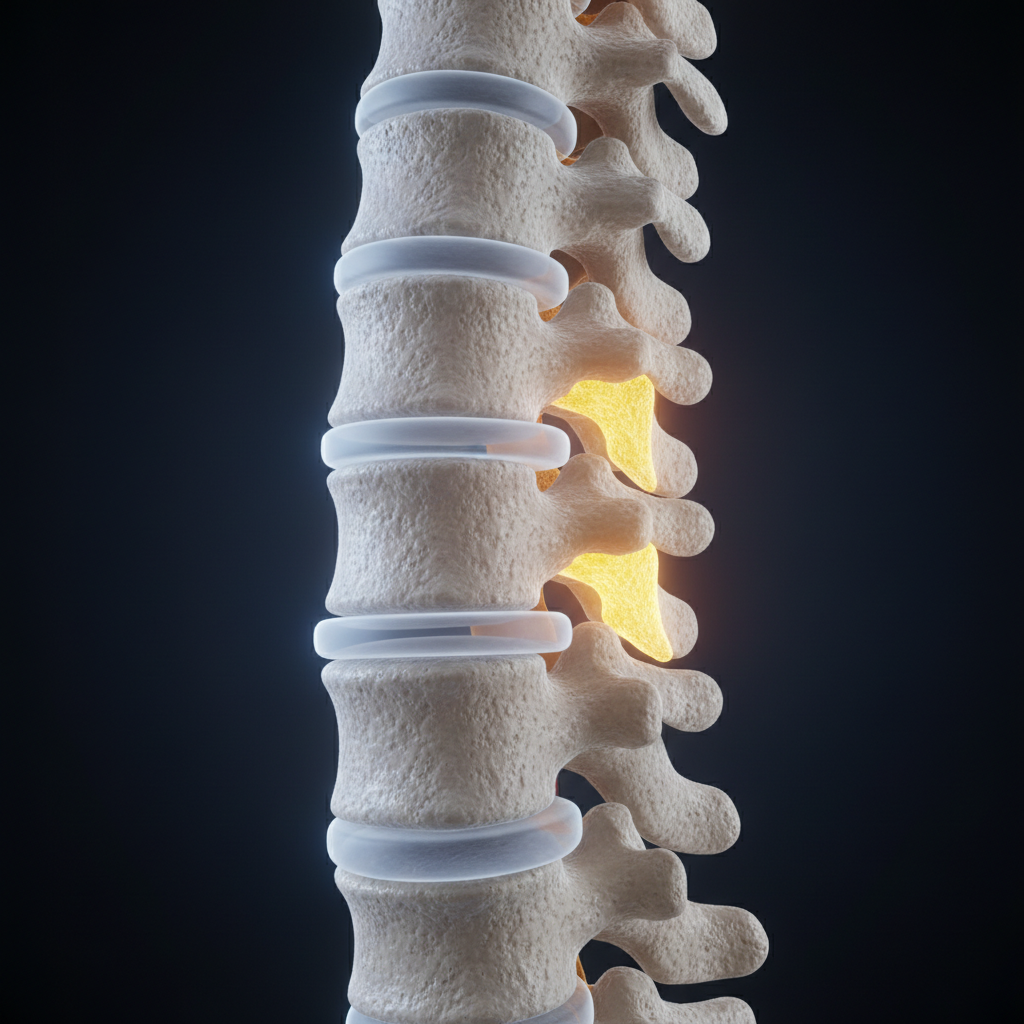
Bulging Disc
Think of a bulging disc like a tyre that's slightly low on pressure — it bulges outward but the outer wall is still intact. The disc extends beyond its normal boundary, but the inner material hasn't broken through. This is extremely common, especially as we age.
Herniated Disc
A herniated disc (sometimes called a ruptured or slipped disc) is when the inner gel-like material breaks through the outer wall. This can be more likely to press on a nerve and cause radiating pain, but even herniated discs heal — often without surgery.
Why the Distinction Matters (and Why It Doesn't)
Here's the metacognitive truth: the label matters less than you think. What matters is:
- How your body has adapted to the change
- Which ligament chains are compensating
- What movement patterns are feeding the problem
- How sensitised your nervous system has become
Two people with identical scans can have completely different pain experiences. The scan is a snapshot; your body is a dynamic, adaptive system.
The Irish Experience
In Ireland, spinal issues are compounded by cold, damp weather that stiffens ligaments, sedentary winter months, and the impact loads of GAA, rugby, and hurling. Understanding your specific context helps you build a recovery plan that actually fits your life.
What to Do
1. Don't Panic About the Scan
Imaging shows structure, not destiny. Many people with bulging or herniated discs live pain-free.
2. Map Your Pain Patterns
Keep a journal: when does pain spike, what relieves it, what triggers it?
3. Rebuild Movement Gradually
Start with pain-free movements and gradually expand the range. Your nervous system needs to learn that movement is safe.
4. Strengthen the Supporting Chain
The deep core, glutes, and posterior chain muscles support the spine. When they're strong, the discs do less work.
The Shift
When you stop fearing the diagnosis and start understanding your body's adaptive response, recovery becomes a journey of awareness, not a battle against a label.
Read Next
- Bulging Disc Recovery: Rebuilding Your Spine from Within
- Pressure Distribution and Pain — what a pressure pattern can and cannot tell us
- The I AM 900 Pain Pathway