Trauma Calibration
Trauma Can
Change How
You Move.
Experiences can influence how people respond physically to movement, position and perceived threat. The experience may have ended, but changes in movement and bodily response can remain.
The Process
I Am 900 Approaches Trauma
Through the Body First.
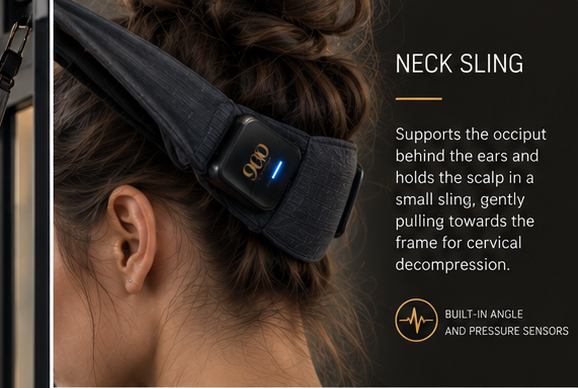
Body
How the body moves and responds.
Response
How the system reacts when it encounters demand.
Observation
What we can observe and measure during movement.
Reassessment
What changes when support conditions are altered.
AFTER THE EVENT.


Trauma Calibration
Two Origins, One Structure
Not All Trauma Is the Same
Trauma is trauma to the person carrying it. The system does not rank what happened — it only observes how the body learned to respond. But the shape of the response is different, and so is the way forward.
The Inherited Load
Some of what you carry was never yours. A posture passed down before it was named, a brace the body learned from watching, a way of holding the world you inherited long before you chose it. This is learned behaviour, the body's response learned long before you had words for it. It is old. It is deep. And it is still a choice to set it down.
The Single Shock
Some of what you carry came from one moment that never should have happened. One impact, one betrayal, one fall the body was not given time to prepare for. That is not your fault. The brace that formed around it is not a flaw — it is the body doing exactly what it was built to do. And staying braced long after the moment has passed is no longer protection.
This Is Where Life Is
Every decision we make from today is our choice. The body can be observed. The movement can be explored. The response can be understood. But only if you choose to look at it differently.
Make the Choice900
Ligaments
Mapped
1
Connected
Body
1
Method
Three
Pathways
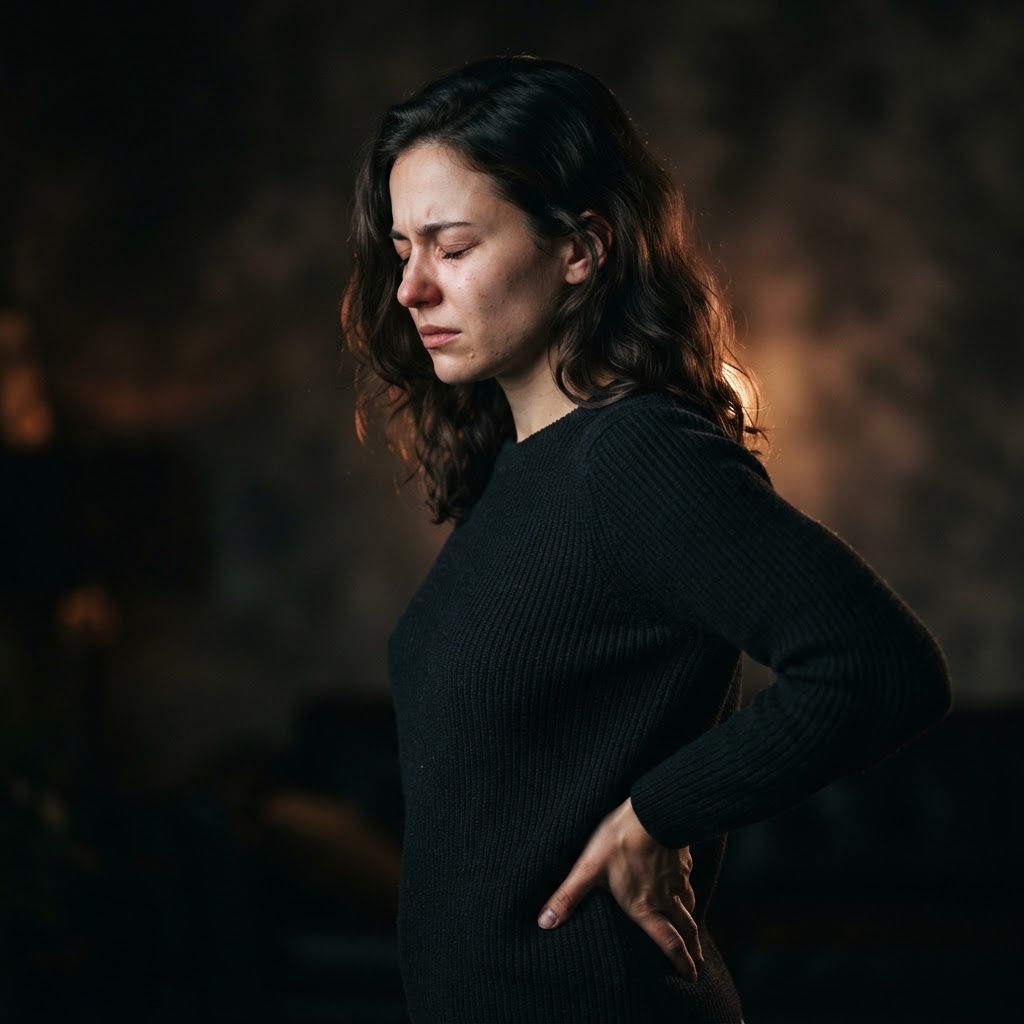
The Signal Trace
Where Is the Body Still Holding?
When the body keeps holding a response, it's because the system hasn't found a new way to move. The body shows you where it holds — through the area that carries the response. This trace observes where the signal is loudest.
5 somatic traces
brace · return · inheritance · rest · whisper
~2 minutes
no wrong answers, only where the signal lives
One primary chain
the structure the brain is still guarding
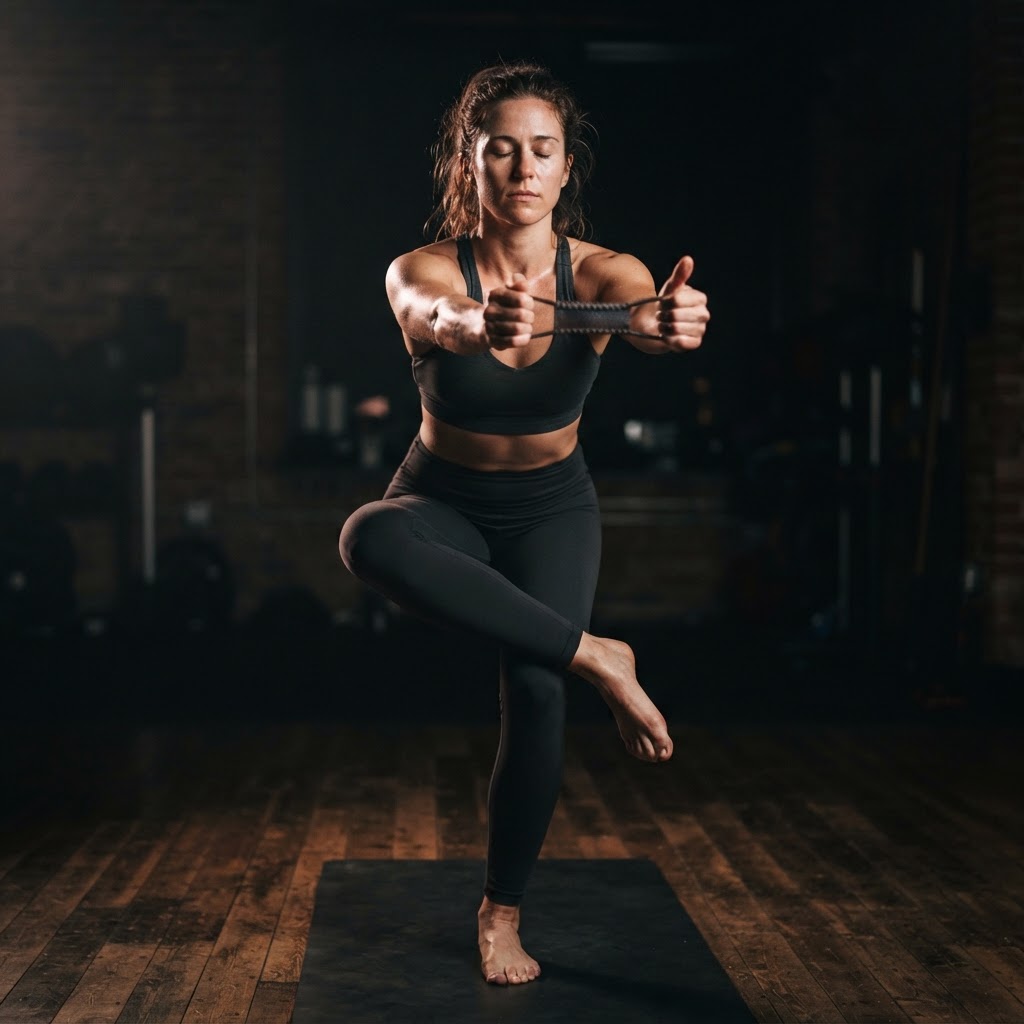
The Trauma Protocol
Strong, Weak, Eyes Open, Eyes Closed
The body responds differently under load and when the eyes stop watching. Load the strong point, then the weak. Close the eyes, then open them. Hold each for 12 seconds. The calculation shows where the response is loudest.
STAGE 1 OF 4
Eyes Closed · Strong Chain
Close your eyes. Load the strongest point of the chain. Hold still for 12 seconds.
Choose Your Pathway
Which Pathway Fits You?
Trauma is one pathway. If your goal is performance or recovery, choose that instead — the method adapts to your body.


Prefer to talk before you start? Request a call instead
Research & Evidence
The Evidence, Clearly Labelled.
Everything on this page falls into one of three categories. We label them separately so you always know what is our recorded data, what is published research, and what is our measurement process.
1 — I Am 900 Recorded Outcomes
22%
Average recorded improvement over three weeks — Sport
50%
Average recorded improvement in reported pain over three weeks — Pain
Any outcome figures shown on this page are I Am 900 recorded outcomes — internal platform data, not independent, peer-reviewed clinical research. Individual results vary.
Individual results vary.
2 — External Published Research
- Solomonow M. Ligaments: a source of work-related musculoskeletal disorders. Journal of Electromyography and Kinesiology, 2004.
Listed for general context only. These findings belong to their authors — they are not I Am 900 data, and I Am 900 does not claim them.
3 — I Am 900 Methodology / Measurement Process
Recorded outcomes are not where the system starts. Measurement is — Measure → Calibrate → Retest — supported by the operational backbone: Establish the baseline. Measure the response. Change the input. Retest. Compare what changed.
Read the Method