The Origin of a System
The I Am 900 system was not created in a laboratory or a university sports science department. It was forged in the furnace of two decades of relentless, severe chronic pain. Understanding this origin is essential to understanding why the system works — and why it is different from anything else available.
The Beginning: A Body Breaking Down
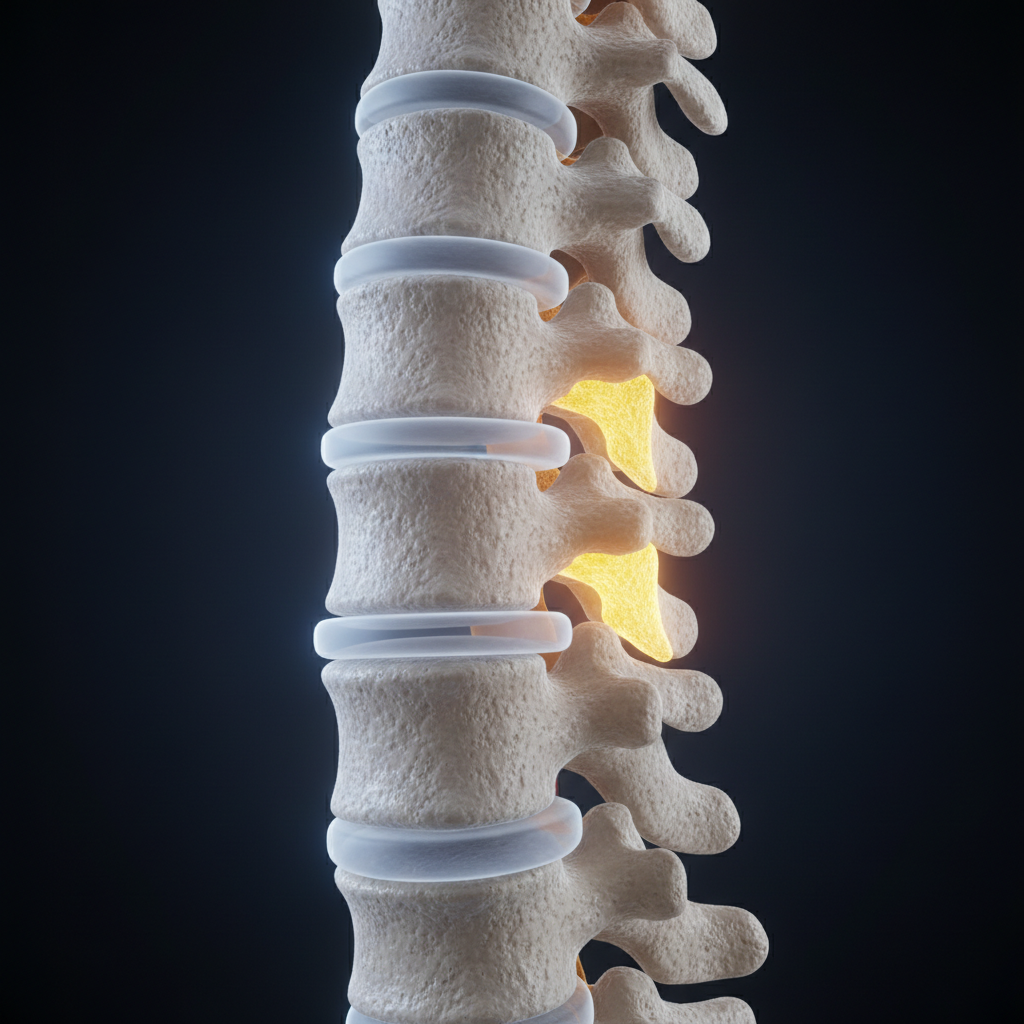
The journey began with a spine that was failing. Multiple bulging discs in multiple areas of the spine created constant, grinding pain that never fully subsided. A functional scoliosis — a sideways curvature driven by muscular and ligamentous imbalance — meant the spine was never properly aligned, placing asymmetric stress on every structure it supported.
Ruptured ligaments added another layer of suffering. When ligaments fail, the joints they stabilise become loose and unreliable. The body compensates by tightening muscles around the unstable joint — but this creates its own pain, stiffness, and dysfunction. The result was widespread pain that moved and shifted, never settling in one place long enough to be understood.
The Failure of Conventional Approaches
Over 20 years, every conventional approach was tried — and the journey also spanned years of clinical training: acupuncture, craniosacral therapy, manipulation, AAT therapy, dry needling, and more. Each discipline added a layer of understanding about how the body's connective tissue truly works and heals.
- Pain medication — masked symptoms without addressing causes
- Physiotherapy — provided temporary relief but never lasting change
- Steroid injections — reduced inflammation but weakened the tissues
- Surgery consultations — often offered procedures that could not guarantee outcomes
- Rest — reduced pain temporarily but caused further deconditioning
None of these approaches addressed the fundamental problem: the ligament system itself was damaged, dysfunctional, and poorly understood.
The Turning Point: Studying the Ligament System
When conventional medicine could not provide answers, the only path forward was self-education. This meant studying the ligament system at a depth that few people — even within sports medicine — ever reach.
Key discoveries included:
- Ligaments are not just mechanical restraints — they are rich in proprioceptive nerve endings that govern movement quality
- Ligament dysfunction is often the root cause of pain that appears to come from muscles or joints
- The body's ligament chains are interconnected — a problem in the foot can cause pain in the shoulder
- Ligaments can be conditioned — they are living tissue that responds to the right kind of loading
- Sensor technology can reveal what is actually happening inside the ligament system
Building the System
This knowledge was applied to the creator's own body first. The approach was methodical:
- Map the entire ligament network — not just where it hurt
- Identify the damaged and dysfunctional structures
- Understand how the chains were compensating
- Develop targeted, progressive loading protocols
- Use sensors to measure what was actually happening
The sling system with fabric pressure sensors was developed to read the tension across the body's ligament network in real time. Distal pressure sensors on the feet and hands captured the ground-reaction and grip forces that reveal how the extremities are performing.
The Result: From Pain to Performance
Over time, something remarkable happened. The pain began to reduce — not through masking, but through genuine healing and enhancement of the ligament system. The body that had been a source of suffering began to function better. And then a critical realisation emerged:
The same ligament chains that caused suffering hold the key to athletic performance.
The knowledge gained from 20 years of pain — the deep understanding of how ligaments work, how they fail, and how they can be enhanced — became the foundation of a system that delivers measurable performance gains for athletes.
Why This Matters for Athletes
Most performance systems are built by people who have studied athletic performance from the outside. The I Am 900 system is different:
- It was built from the inside — by someone who lived inside a body with severe ligament dysfunction
- It addresses root causes, not symptoms — because pain teaches you that symptoms lie
- It understands chains, not just joints — because chronic pain reveals connections that isolated thinking misses
- It is sensor-driven, not guesswork — because 20 years of frustration with guesswork demanded something better
The Performance Promise
The system that emerged from pain now delivers what it was designed to find: measurable enhancement of the body's ligament system. Athletes using the I Am 900 approach can expect:
- Improved speed through optimised ligament tension chains
- Sharper cutting and turning through enhanced collateral ligament function
- Better proprioception through restored mechanoreceptor function
- Greater resilience through conditioned, robust ligaments
- Performance gains of 20% or more in speed, turning, and cutting
The Full Circle
The pain is not entirely gone — 20 years of severe damage does not fully reverse. But the body functions better than it has in decades. And the knowledge gained from that journey now serves athletes who have never experienced that pain but want to push their performance to the next level.
This is the heart of I Am 900: the same ligament system that can break down and cause devastating pain is the system that, when understood and enhanced, delivers extraordinary athletic performance.
The journey from pain to performance is not just a story. It is the foundation of a system — and it is available to every athlete who wants to move better, faster, and stronger.