The Seasonal Spine
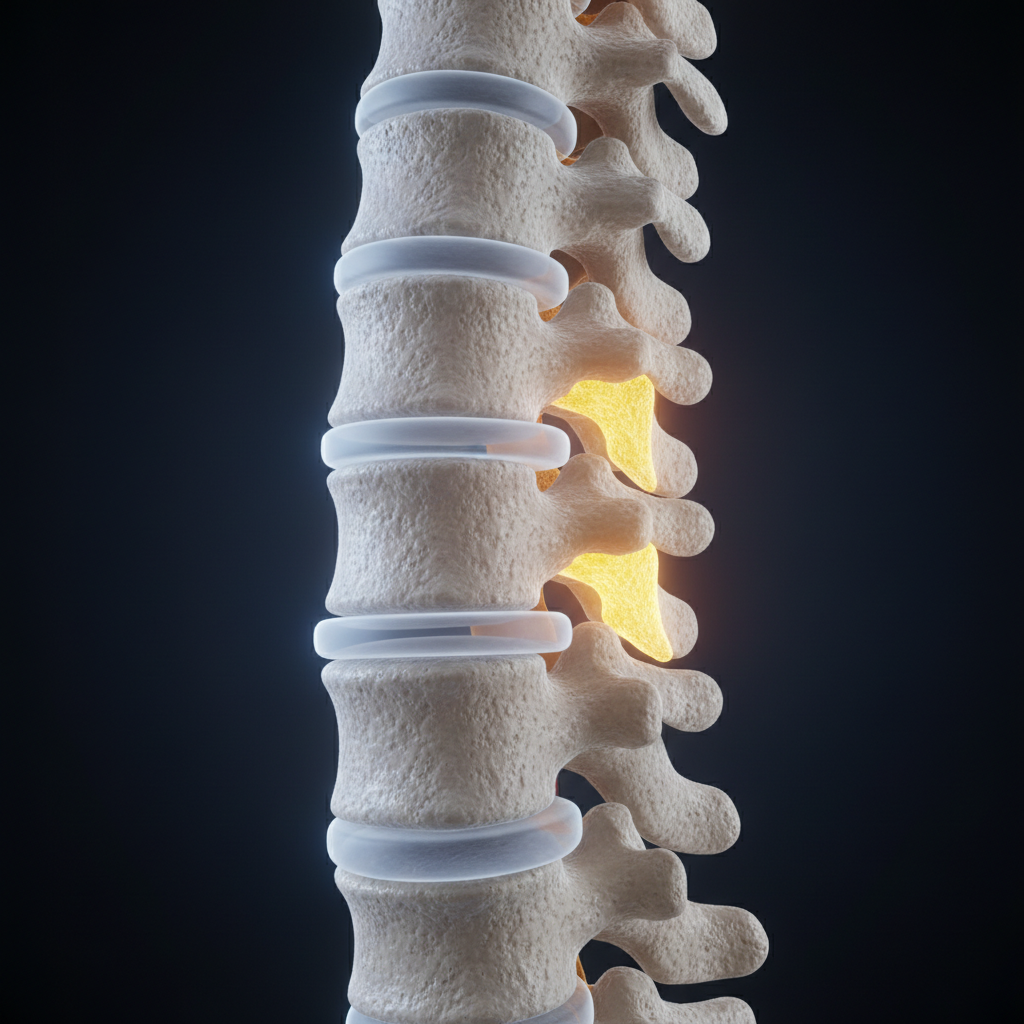
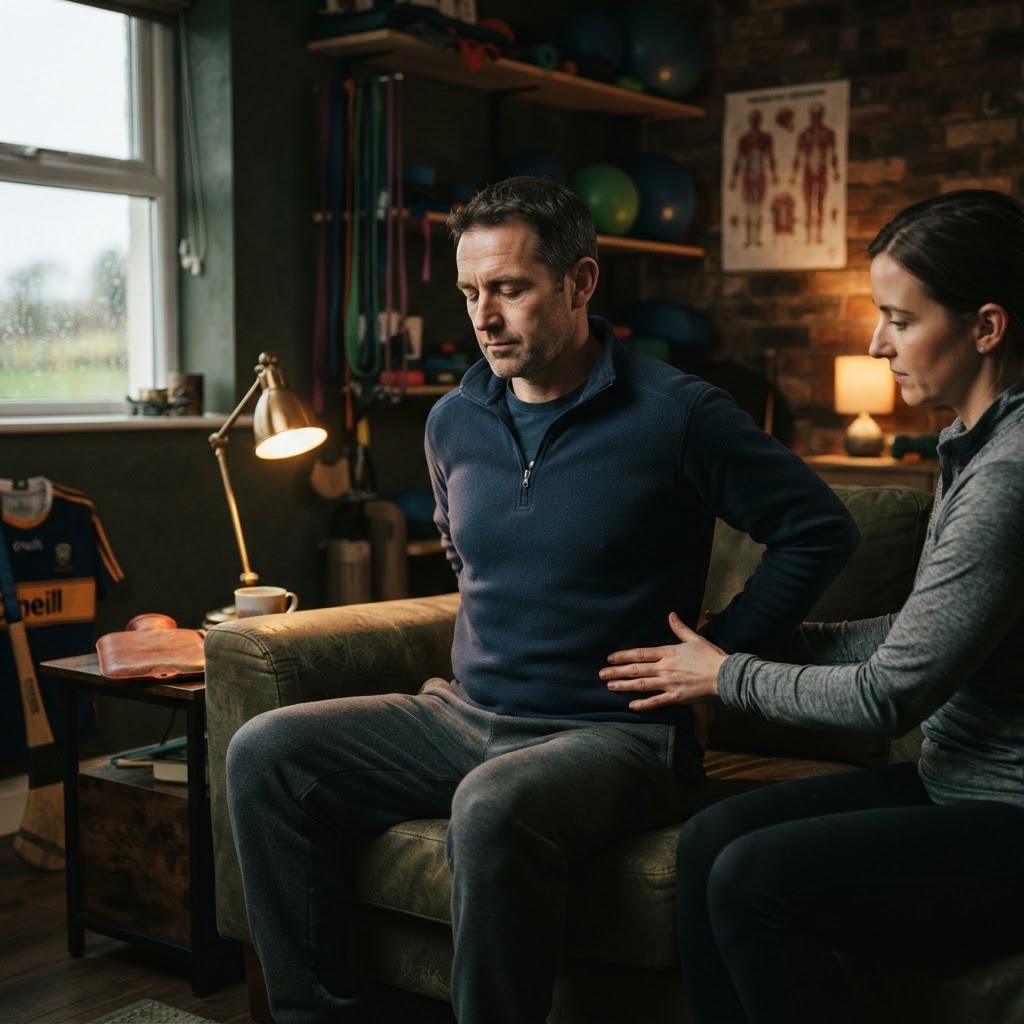
If you live with disc degeneration in Ireland, you've probably noticed something: your pain changes with the seasons. Cold, damp winter mornings make your spine feel like it's been cast in concrete. Milder summer days bring relief and easier movement. This isn't in your head — it's real, and understanding it is the key to year-round management.
Why Cold Affects Your Spine
Ligaments and connective tissue respond to temperature. Cold reduces blood flow, stiffens collagen fibres, and slows the disc's overnight rehydration process. When you step out of a warm bed into a cold Irish morning, your spine is being asked to perform before it's ready.
Winter Strategy
Warm Up Before You Stand
Before getting out of bed, spend 3 minutes doing gentle movements: ankle circles, knee-to-chest pulls, pelvic tilts. Let your spine warm up before it bears your full weight.
Layer Your Movement
Don't go from sitting to full activity. Build up: gentle stretching → walking → more demanding tasks. Your ligaments need a runway.
Stay Hydrated
Indoor heating dehydrates. Discs need water to stay plump. Drink warm fluids throughout the day — tea counts, but water is better.
Summer Strategy
Use the Warmth
Summer in Ireland is your window. Longer days and warmer temperatures make movement easier. Use this time to rebuild strength, increase activity, and expand your movement vocabulary.
Don't Overdo It
The temptation in good weather is to do everything — garden, walk, play sport, all in one day. Build gradually. Your spine adapts over weeks, not hours.
The GAA and Rugby Factor
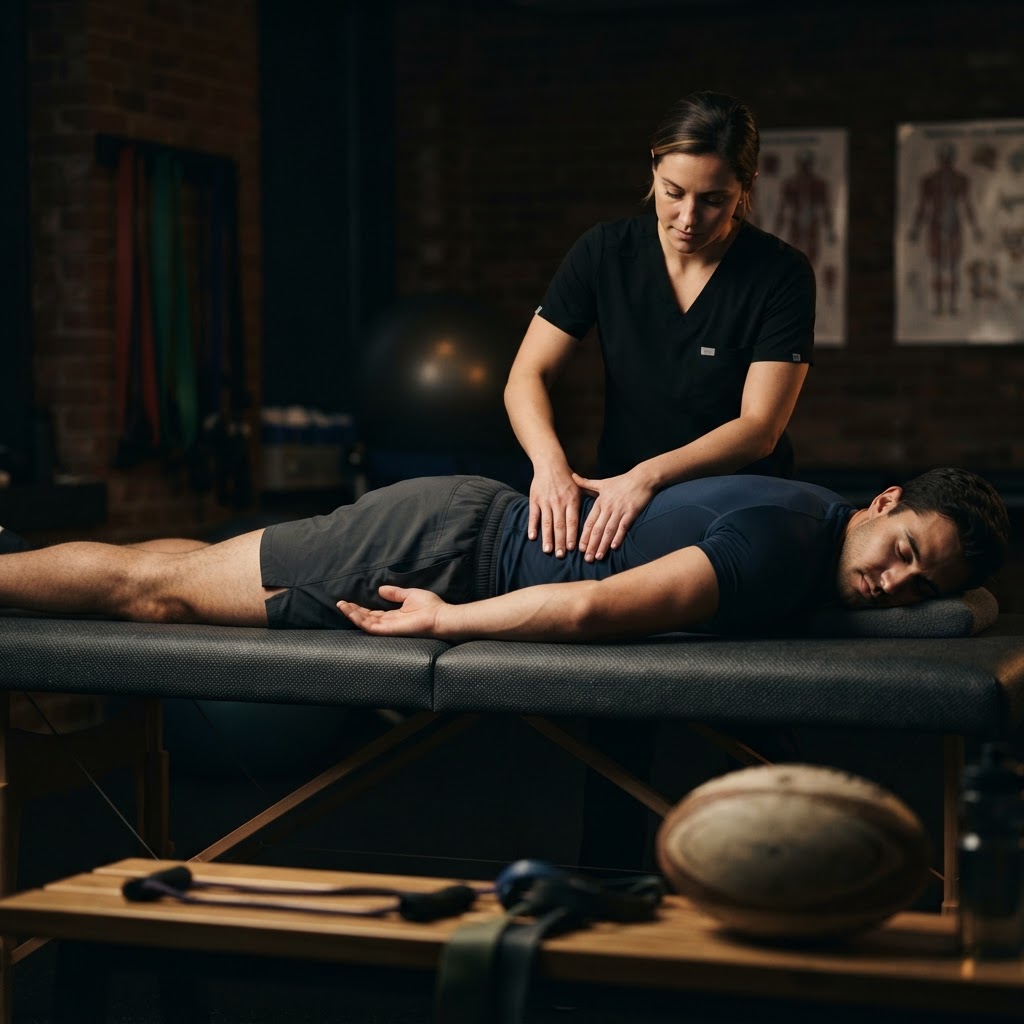
Irish sport creates specific loads. Hard pitches in winter compress the spine. Tackling and rucking create rotational forces. Hurling and camogie demand asymmetric rotation. If you play these sports with disc degeneration, understanding your ligament chain is essential.
Between Training
- Decompress: Gentle hanging or lying flat helps the disc rehydrate.
- Mobilise: Rotation and extension movements counteract the flexion-dominant positions of sport.
- Rest strategically: Not total rest, but varied rest — walking instead of sitting, lying instead of standing.
The Metacognitive Habit
The most powerful thing you can do is notice how your spine responds to each season. Keep a simple journal through the year. You'll discover your own patterns — which movements help, which weather triggers stiffness, which activities leave you sore the next day.
This self-knowledge is more valuable than any scan. It puts you in control.
The Mindset
Your spine isn't degenerating — it's adapting. Every change is your body finding a new way to carry you. Work with it, season by season, and it will carry you well.