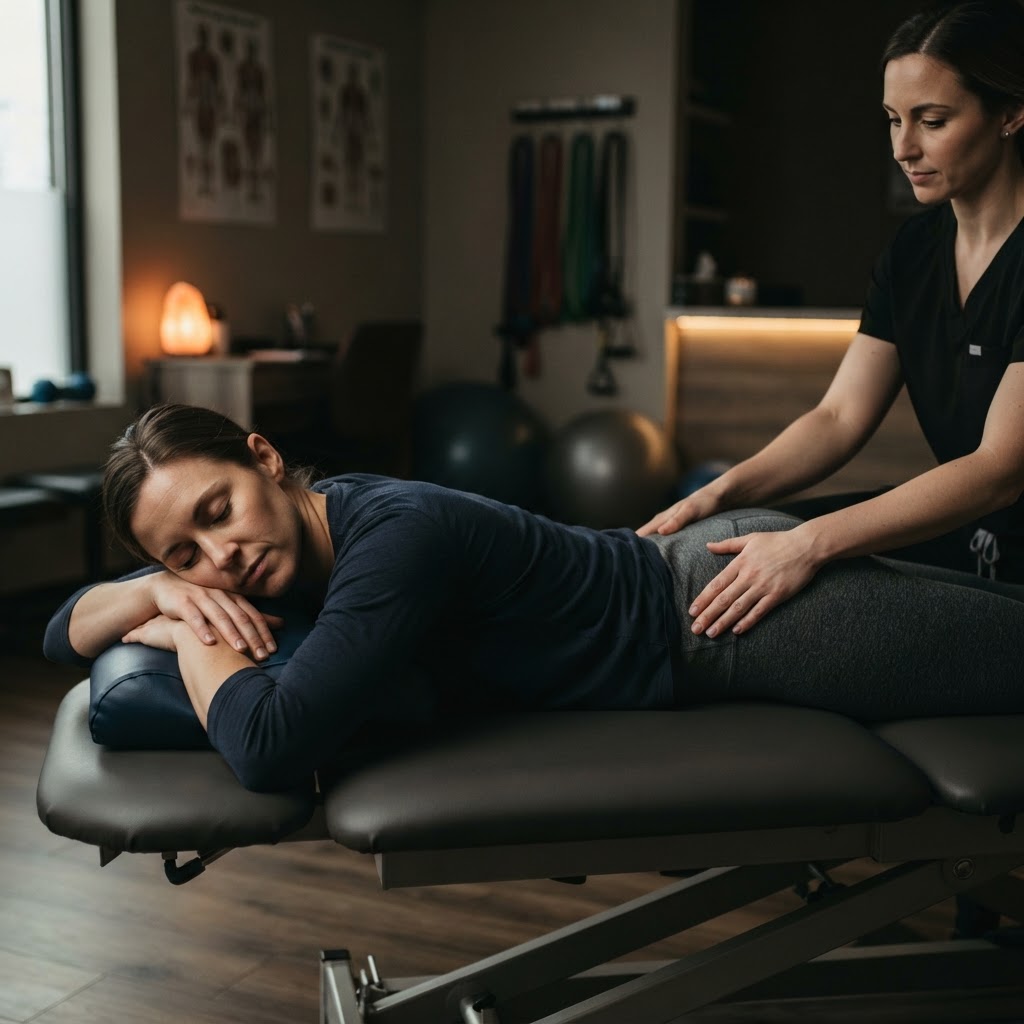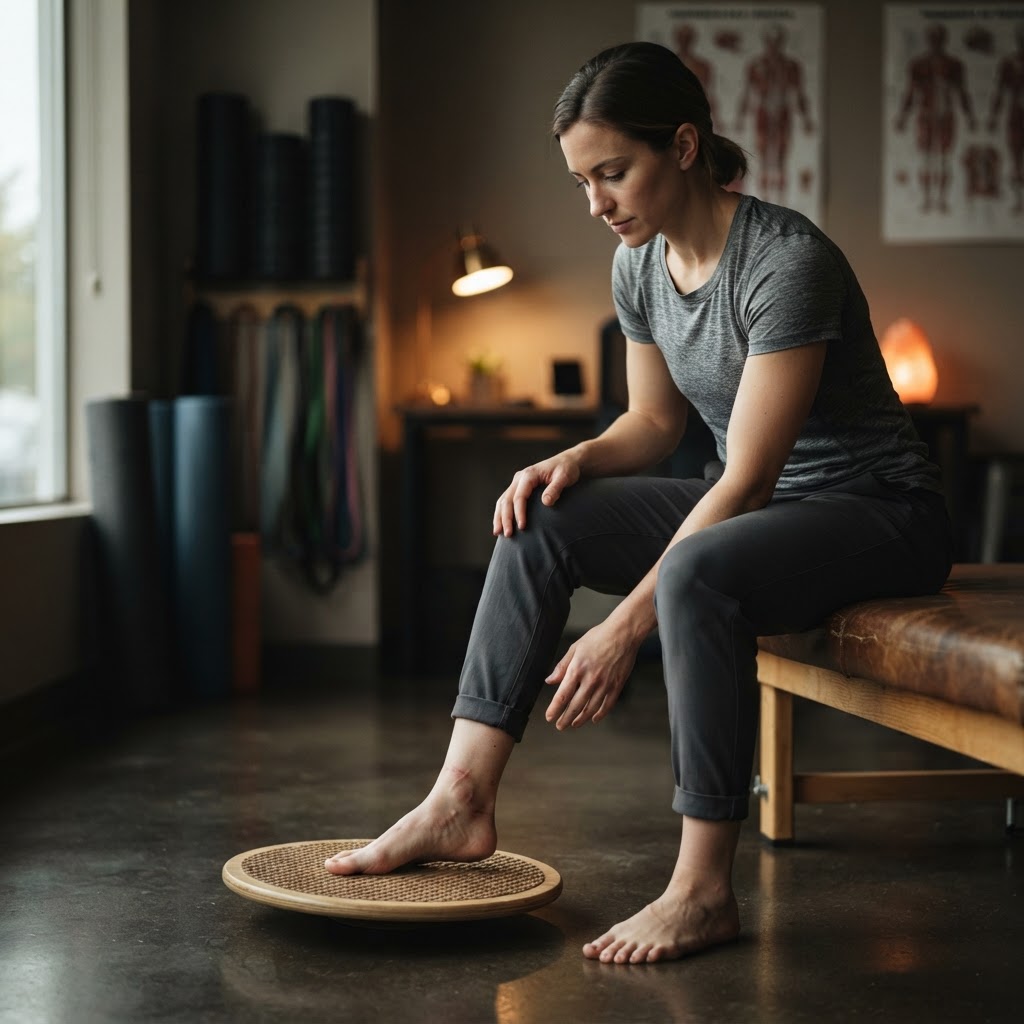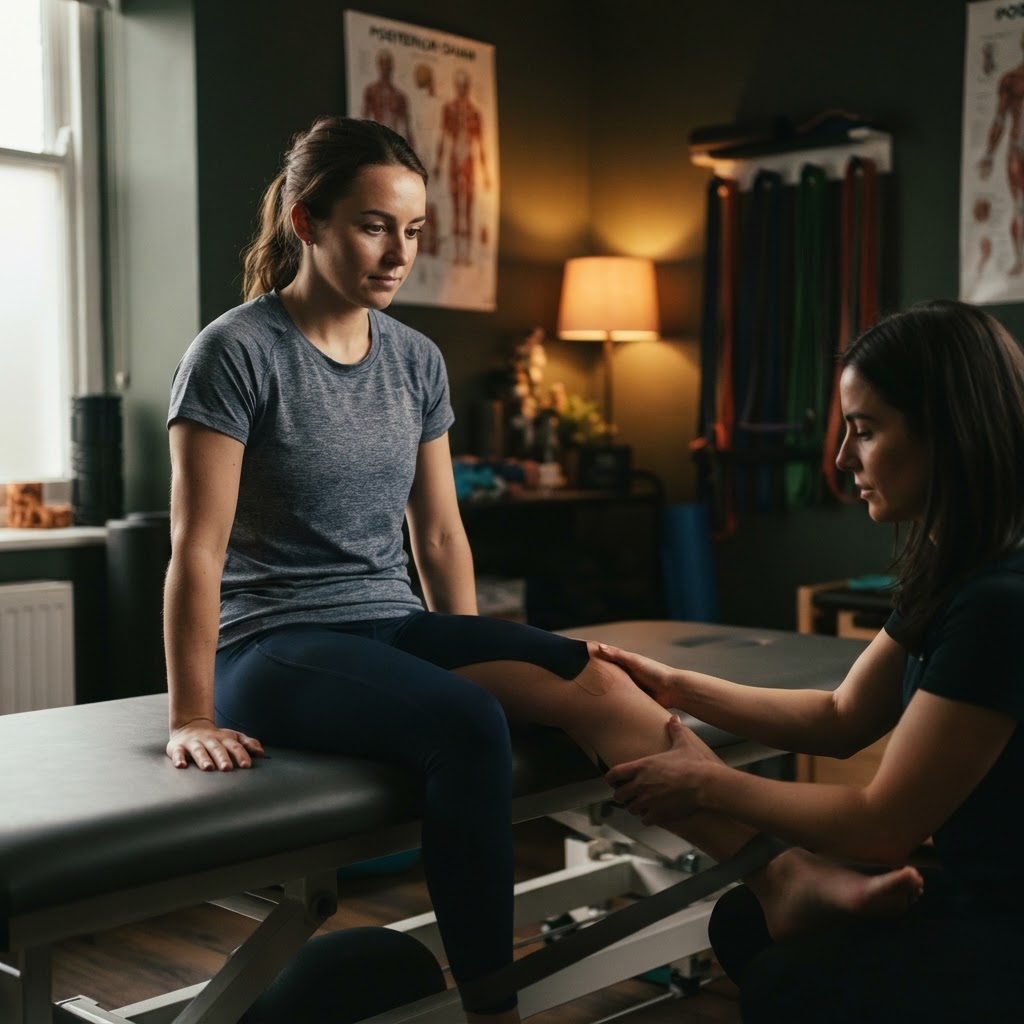
The Hamstring Strain Problem
Hamstring strains are one of the most common and frustrating injuries in Irish sport. They affect GAA players, soccer players, rugby players, and athletes across every discipline. What makes them particularly frustrating is the high re-injury rate — up to one-third of hamstring strains recur within the first year.
But this recurrence rate isn't inevitable. It comes from incomplete rehabilitation — treating the symptoms without understanding the underlying mechanics.
Understanding the Hamstring System
The hamstrings are three muscles at the back of the thigh:
- Biceps femoris: The outermost, and most commonly injured
- Semitendinosus: The middle
- Semimembranosus: The innermost
These muscles attach to the pelvis at the top and the knee at the bottom. But crucially, they connect to the skeleton via tendons — and these tendons blend with the ligament system of the knee and pelvis.
When you understand that the hamstrings are part of a continuous chain from the pelvis through the knee to the ankle, you begin to see why strains happen and how to prevent them.
Why Hamstrings Strain
Hamstring strains occur during eccentric loading — when the muscle is lengthening while contracting. This happens during sprinting (as the leg decelerates before foot strike) and during stretching movements.
The risk factors include:
- Weak hamstrings relative to quadriceps: The front of the thigh overpowers the back
- Poor eccentric strength: The hamstring can't control deceleration
- Tight hip flexors: Pull the pelvis forward, putting the hamstrings on constant stretch
- Ligament chain imbalance: If the knee or pelvis ligaments are asymmetric, the hamstrings compensate unevenly
- Fatigue: Late in matches, the hamstrings can't control deceleration as well
- Previous injury: Scar tissue and altered neuromuscular control increase risk
The Metacognitive Recovery Approach
Phase 1: Acute (0-5 days)
- Reduce pain and protect the injury
- Gentle movement within pain-free range
- Feel the strain: Where exactly is the pain? Upper hamstring (pelvic attachment), mid-belly, or lower (knee attachment)? This tells you which muscle and tendon are injured.
Phase 2: Subacute (5-21 days)
- Restore range of motion
- Begin gentle isometric strengthening (holding contractions without movement)
- Start eccentric loading in pain-free ranges
- Feel the tension: When you gently stretch, can you feel where the hamstring grips? This awareness guides your progression.
Phase 3: Progressive Loading (2-6 weeks)
- Graduated eccentric strengthening (Nordic curls, single-leg RDLs)
- Progressive running (jogging → striding → sprinting)
- Sport-specific movement (cutting, kicking)
- Feel the chain: When you run, can you feel the force travel from your foot through your hamstring to your pelvis? Smooth force transmission means recovery is progressing.
Phase 4: Return to Sport (6+ weeks)
- Full-speed sprinting
- High-speed eccentric loading
- Match simulation
- Feel confidence: Can you sprint at 100% without hesitation? If not, you need more time.
The Eccentric Factor
The key to hamstring recovery is eccentric strengthening — exercises where the hamstring lengthens while contracting. This type of loading:
- Remodels scar tissue in the optimal alignment
- Builds the hamstring's ability to control deceleration
- Reduces the risk of re-injury dramatically
Eccentric Exercises
- Nordic curls: The gold standard. Kneel, anchor your feet, and slowly lower your body forward using your hamstrings.
- Single-leg Romanian deadlifts: Builds eccentric strength while training balance and the posterior chain.
- Slider curls: Sliding the feet forward while lying on the back lengthens the hamstrings under load.
Addressing the Chain
Hamstring recovery isn't just about the hamstring. The full chain needs attention:
- Hip flexors: Tight hip flexors tilt the pelvis forward, chronically stretching the hamstrings. Stretching the hip flexors reduces hamstring strain.
- Glutes: Strong glutes share the deceleration load with the hamstrings. Weak glutes force the hamstrings to overwork.
- Core: A stable pelvis reduces the hamstrings' compensatory workload.
- Knee ligaments: If the knee ligaments are loose or asymmetric, the hamstrings work harder to stabilise the joint.
The Irish Sporting Context
- GAA: The repeated sprinting, kicking, and explosive movement of Gaelic football loads the hamstrings intensely
- Soccer: Sprinting, shooting, and sudden acceleration are primary strain mechanisms
- Rugby: Sprinting and the stop-start nature of the game fatigue the hamstrings
- Athletics: Sprinters and hurdlers are at highest risk during maximum effort
- Cold climate: Irish winters mean cold muscles at the start of training, increasing strain risk
Action Steps
- Grade the strain: Mild (can walk, tender to touch), moderate (limping, clear pain), severe (can't walk). This guides your recovery timeline.
- Feel the location: Upper, middle, or lower hamstring? Each location has different implications for recovery.
- Start eccentric loading early: Once acute pain settles (usually 5-7 days), begin gentle eccentric exercises.
- Stretch the hip flexors: Tight hip flexors are a hidden cause of hamstring strain. Address them.
- Strengthen the glutes: Strong glutes share the load with the hamstrings.
- Progress running gradually: Jog → stride → sprint. Don't skip steps.
- Feel the chain: When sprinting, sense the force flowing smoothly from foot to pelvis. Hesitation or gripping means you're not ready for the next stage.
The Mindset Shift
Hamstring strains test patience. They feel healed, then recur. They improve, then plateau. This cycle creates frustration and fear of movement.
But the recurrence pattern has a cause: incomplete rehabilitation. When the eccentric strength, the chain balance, and the neuromuscular control are all restored, the recurrence rate drops dramatically.
The path out of the strain cycle is engagement. Feel the injury. Understand the chain. Load progressively. Trust the process. Your hamstrings have carried you through every sprint and stride. They can recover — fully — if you give them the aware, progressive, patient work they need.
Every Nordic curl, every gradual progression, every moment of feeling the hamstring work is an investment in a future without re-injury. The cycle can be broken. It starts with understanding.
PAIN APPLICATION — WHAT WOULD WE MEASURE?
This is a measurement example, not a case study. No individual's recorded data appears here.
For a posterior-chain loading task, an assessment may record:
- the reported pain score
- Sensor Sling pressure where relevant
- pressure distribution
- angle/orientation where supported
- timing
- sequence
- repeatability
- loading
- movement response
The process is the same as for any I AM 900 assessment:
ESTABLISH BASELINE → MEASURE → CHANGE INPUT → RETEST → COMPARE
Sensor Sling measurement does not diagnose strain severity, tissue damage or any specific hamstring pathology — and pressure measurements do not identify which structure causes pain.
Why Retesting Matters in Pain: What Changed From Baseline? sets out how the comparison works.