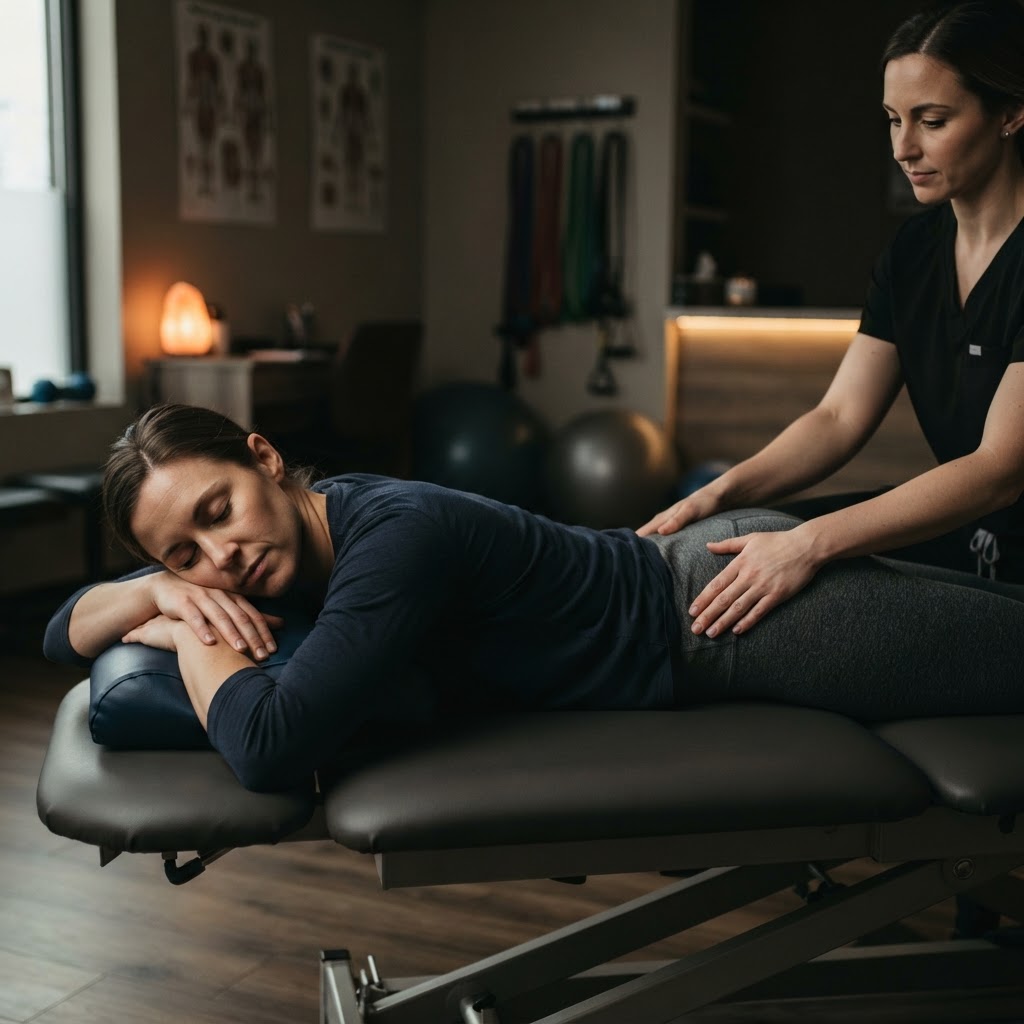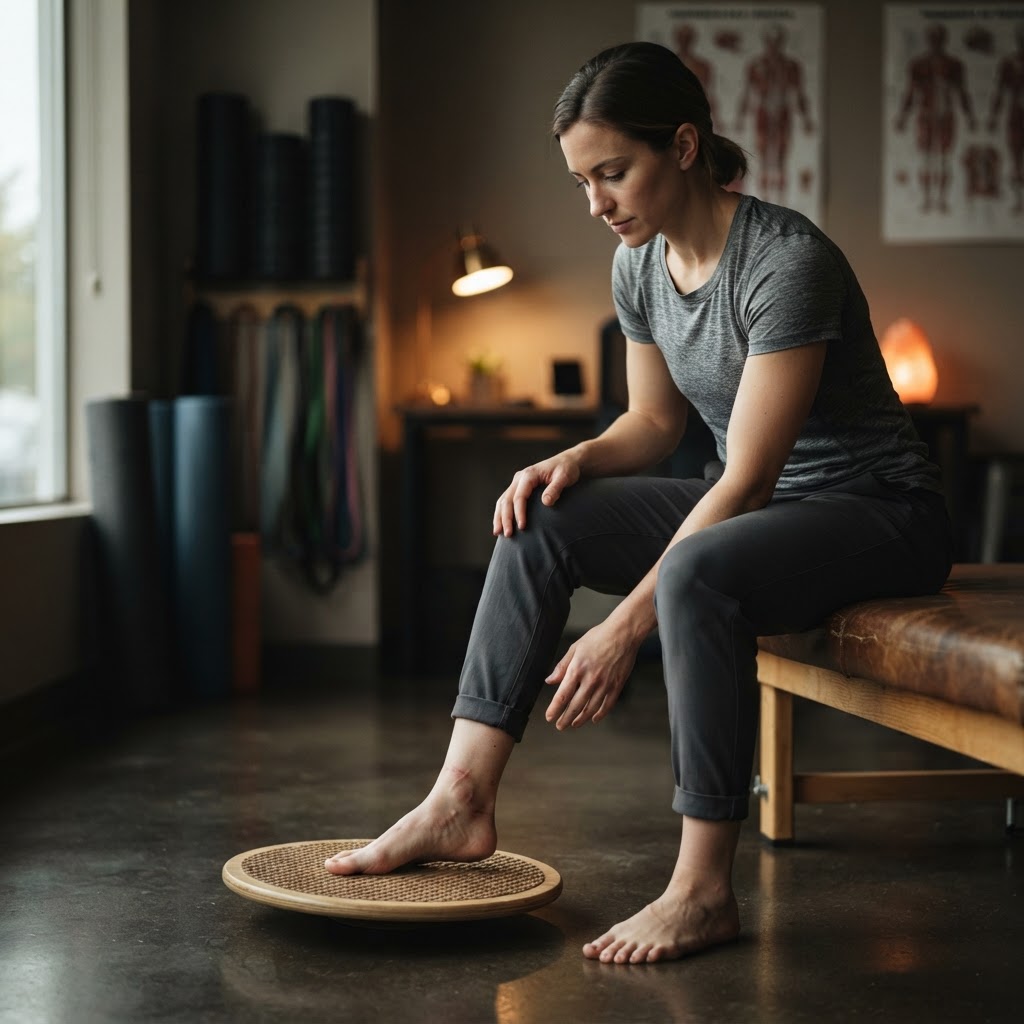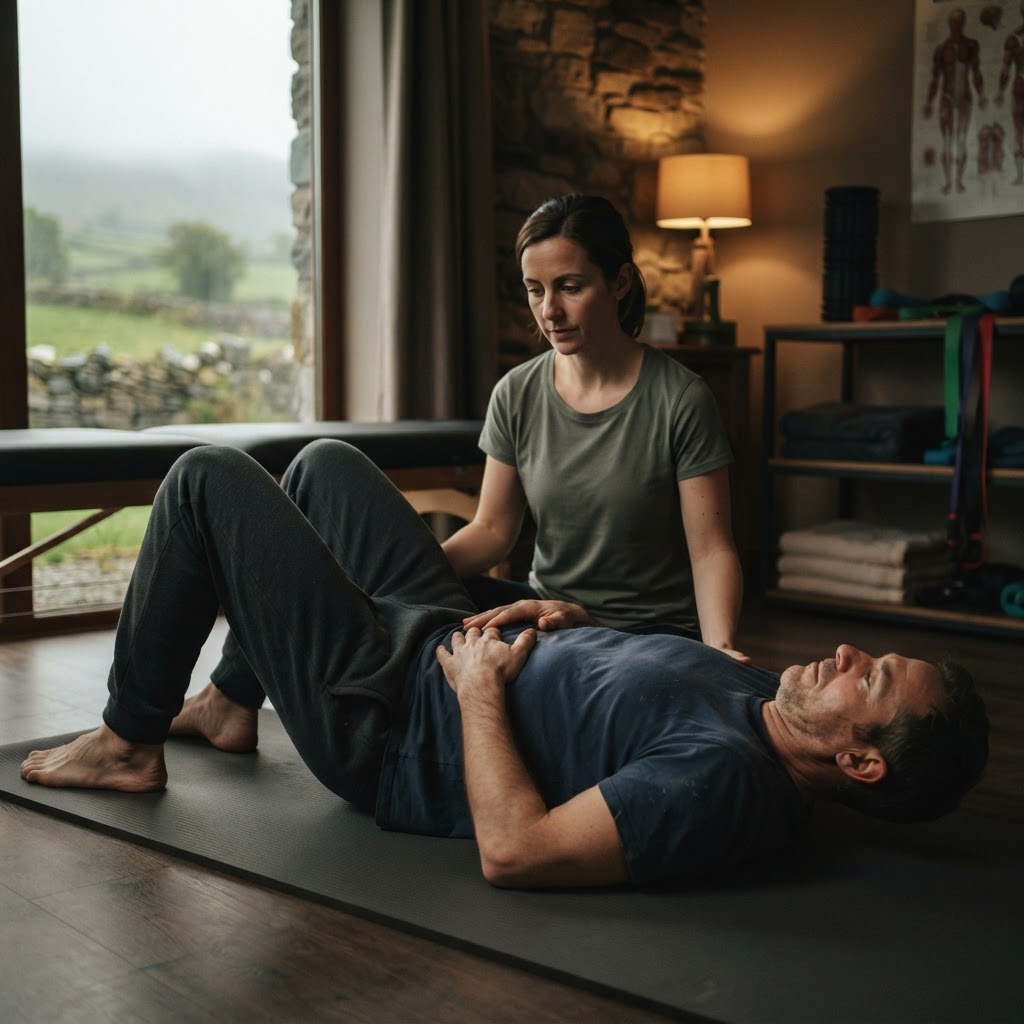
The Scale of the Problem
Chronic lower back pain is Ireland's most common pain complaint. One in three adults lives with it. It's the leading cause of missed work days and the most frequent reason people seek physiotherapy.
But here's what the statistics don't tell you: chronic doesn't mean permanent. Chronic simply means the pain has persisted for more than 12 weeks. It says nothing about whether the pain can change — and it can.
Understanding the Lumbar Ligament System
Your lower back is held together by a network of ligaments that most people never think about:
- Posterior longitudinal ligament: Runs along the back of the vertebral bodies
- Ligamentum flavum: Connects the laminae of adjacent vertebrae
- Supraspinous ligament: Runs along the tips of the spinous processes
- Iliolumbar ligaments: Connect your lower spine to your pelvis
When chronic lower back pain develops, these ligaments are almost always involved. They may be tight, asymmetric in tension, or sensitised by years of compensatory movement. The pain you feel is often the ligament system's cry for rebalancing.
Why Chronic Pain Persists
Acute pain comes from tissue damage. Chronic pain comes from nervous system sensitivity. Here's how it works:
- An initial injury or strain sensitises the ligaments and nerves in your lower back
- Your nervous system becomes protective, amplifying pain signals to prevent further injury
- You move less to avoid pain, which stiffens the ligaments further
- Stiffer ligaments generate more pain signals, which increases sensitivity
- The cycle becomes self-reinforcing
The breakthrough comes when you understand that the pain is no longer proportional to tissue damage. Your nervous system is overprotective, and you can retrain it.
The Metacognitive Approach
1. Understand Your Pain Pattern
Chronic lower back pain isn't constant — it fluctuates. Some days are better than others. Why? This is the most important question you can ask.
- Does it hurt more in the morning (ligaments are stiff overnight) or evening (fatigue sets in)?
- Does walking help or hurt? (Movement usually helps chronic pain.)
- Does stress increase the pain? (The nervous system amplifies pain when stressed.)
2. Rebuild Movement Confidence
The most powerful treatment for chronic lower back pain is graded movement. Not aggressive exercise — gentle, progressive, aware movement:
- Start with pain-free movements only
- Gradually increase range, duration, and intensity
- Let your nervous system learn that movement is safe
- Celebrate every pain-free movement, no matter how small
3. Feel the Ligament Chain
Your lower back doesn't work in isolation. It's part of a chain that runs from your feet through your pelvis to your shoulders. Can you feel the connections?
- When your hip is tight, does your back compensate?
- When your hamstrings are short, does your pelvis tilt and strain your lumbar ligaments?
- When your thoracic spine is stiff, does your lower back take on extra rotation?
The Irish Context
Several factors make chronic lower back pain particularly common in Ireland:
- Climate: Cold, damp weather stiffens ligaments and reduces tissue circulation
- Sedentary lifestyle: Long winters indoors reduce movement variety
- Sporting culture: GAA, rugby, and soccer create impact and rotational loads
- Work patterns: Ireland's tech and office sector creates prolonged sitting
Action Steps
- Keep a pain diary: For two weeks, note your pain level (1-10) morning and evening, and what you did that day. Patterns will emerge.
- Walk daily: Walking is the single best exercise for chronic lower back pain. Start with 10 minutes and build.
- Mobilise the hips: Tight hips force the lumbar ligaments to compensate. Hip openers reduce back strain.
- Strengthen the core: The deep core muscles share the load with the ligaments. When they're strong, the ligaments have less work.
- Practise body awareness: Spend 5 minutes daily feeling your lower back. Where is the tension? What eases it? This awareness is therapeutic.
Reframing Chronic
The word "chronic" carries weight. It sounds permanent. But chronic pain researchers now understand that the nervous system is plastic — it can change. The sensitivity that amplifies your pain can be reduced through aware, graded, confident movement.
Every person who has overcome chronic lower back pain started where you are: stuck in the cycle, afraid to move, tired of the pain. The path out isn't a single treatment or a magic exercise. It's a gradual rebuilding of trust between you and your body.
Your back isn't broken. It's sensitive. And sensitivity can be calmed. One aware movement at a time.
PAIN APPLICATION — WHAT WOULD WE MEASURE?
This is a measurement example, not a case study. No individual's recorded data appears here.
For a loaded lumbar movement task, an assessment may record:
- the reported pain score
- Sensor Sling pressure where relevant
- pressure distribution
- angle/orientation where supported
- timing
- sequence
- repeatability
- loading
- movement response
The process is the same as for any I AM 900 assessment:
ESTABLISH BASELINE → MEASURE → CHANGE INPUT → RETEST → COMPARE
Sensor Sling measurement does not diagnose disc degeneration, disc herniation, nerve compression or any specific spinal pathology — and pressure measurements do not identify which structure causes pain.
Why Establish a Baseline Before Trying to Change Pain? sets out how the comparison works.