Chronic Pain in Ireland
If you live with chronic pain in Ireland, you're not alone. An estimated one in three Irish adults experience chronic pain, yet the conversation around it often stops at medication or surgery. There's a missing piece — and it starts with understanding your body's ligament system.
Pain Is Information, Not Damage
The most important shift you can make is how you think about pain. Pain is your nervous system communicating — sometimes shouting — that something needs attention. It is not, by itself, a measure of damage. Two people can have identical scans and completely different pain experiences. Why? Because pain is shaped by awareness, movement, sleep, stress, and even the Irish weather.
The Ligament Connection
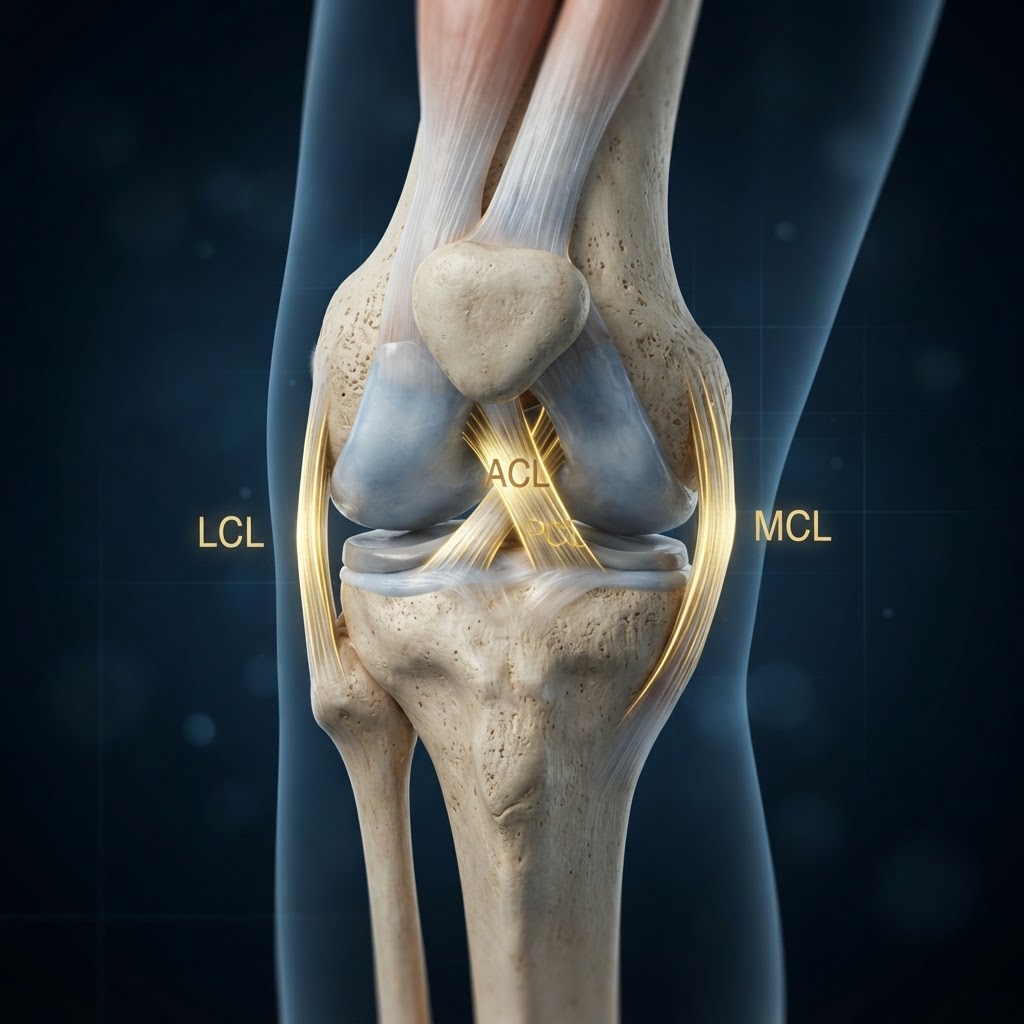
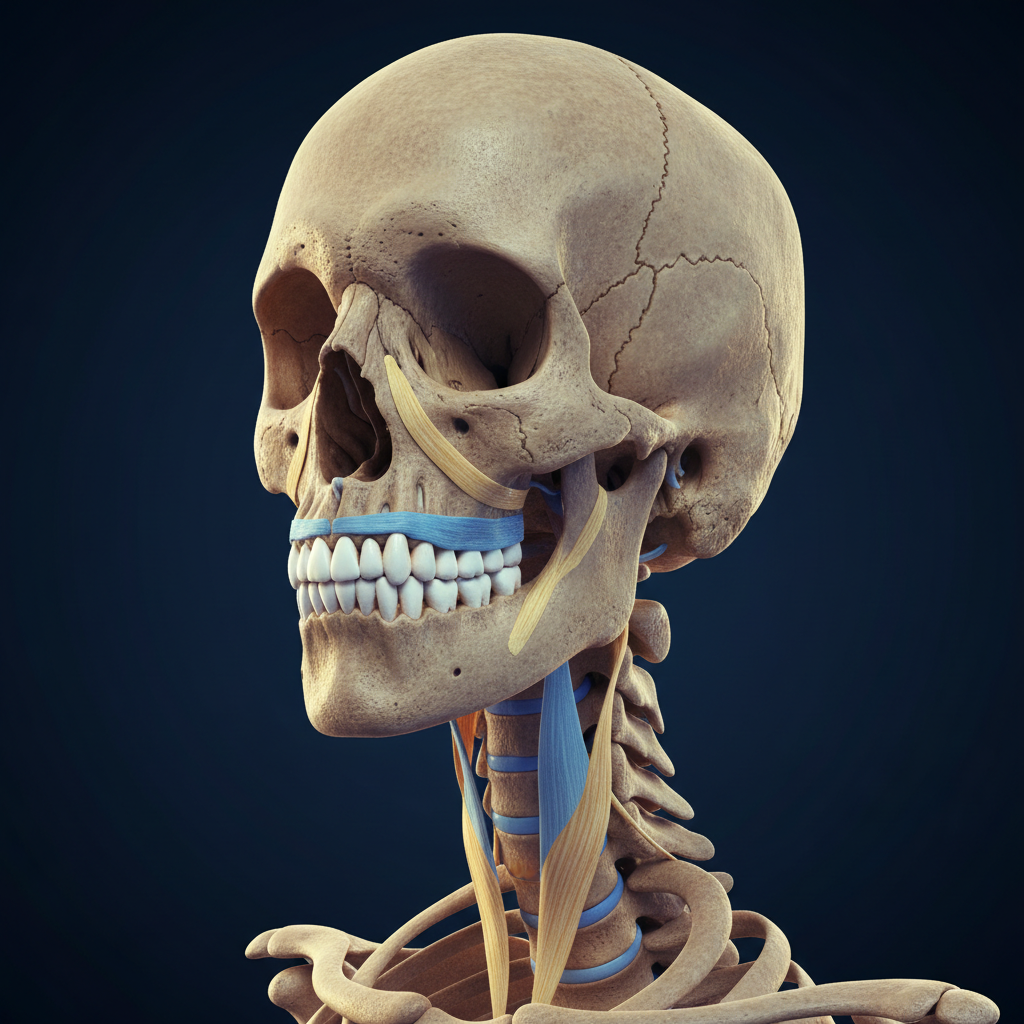
Your body's ligaments form a continuous tension network from your neck to your ankles. When one segment is injured or restricted, the tension shifts elsewhere. This is why back pain often leads to hip pain, which leads to knee pain. You're not falling apart — your body is compensating, and it's telling you about it.
The Metacognitive Approach
Metacognition means thinking about how you think — and in the context of pain, it means noticing how you relate to your body's signals. Here's how to begin:
1. Notice Your Patterns
Keep a simple daily note: what was your pain level (1–10), what did you do that day, how did you sleep? Within two weeks, patterns will emerge that no scan can show you.
2. Feel the Chain
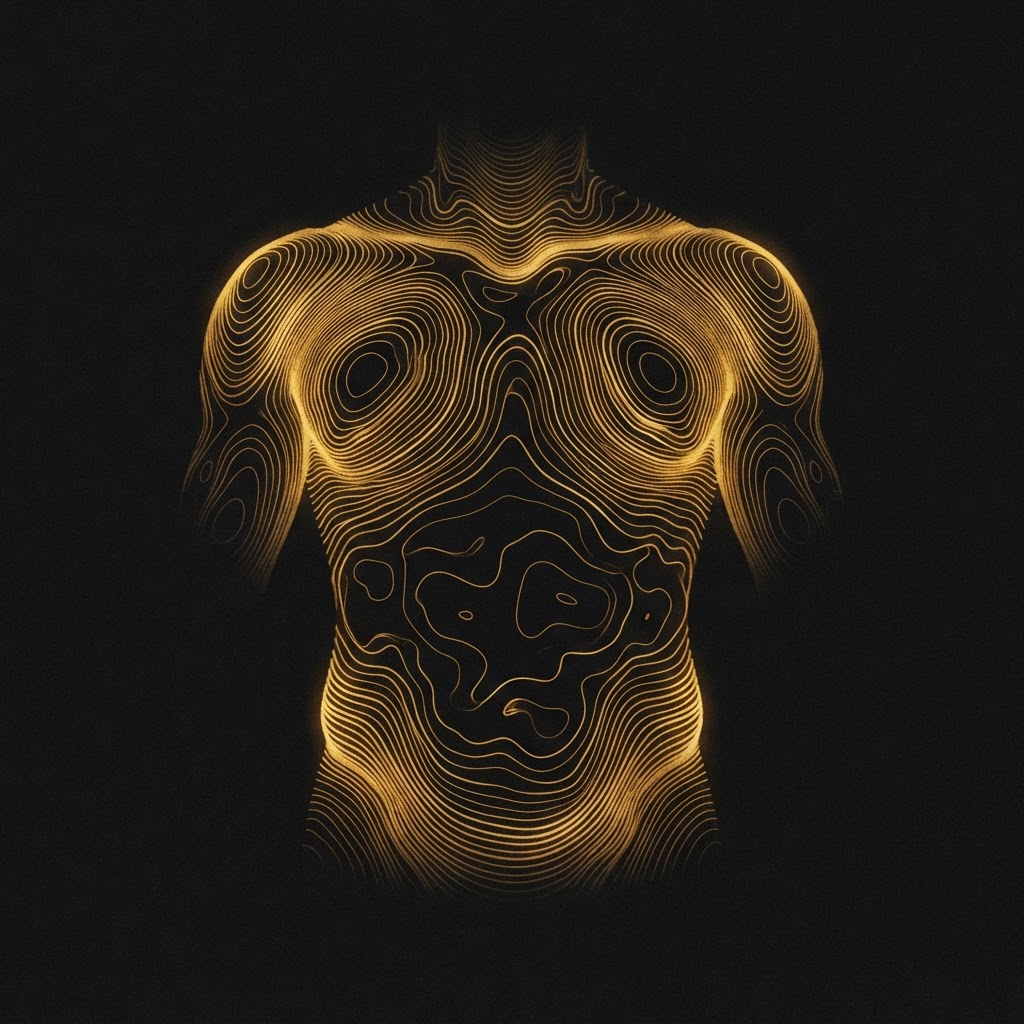
When pain appears in your lower back, can you feel whether your hips or shoulders are compensating? This awareness is your most powerful diagnostic tool.
3. Adjust in Real Time
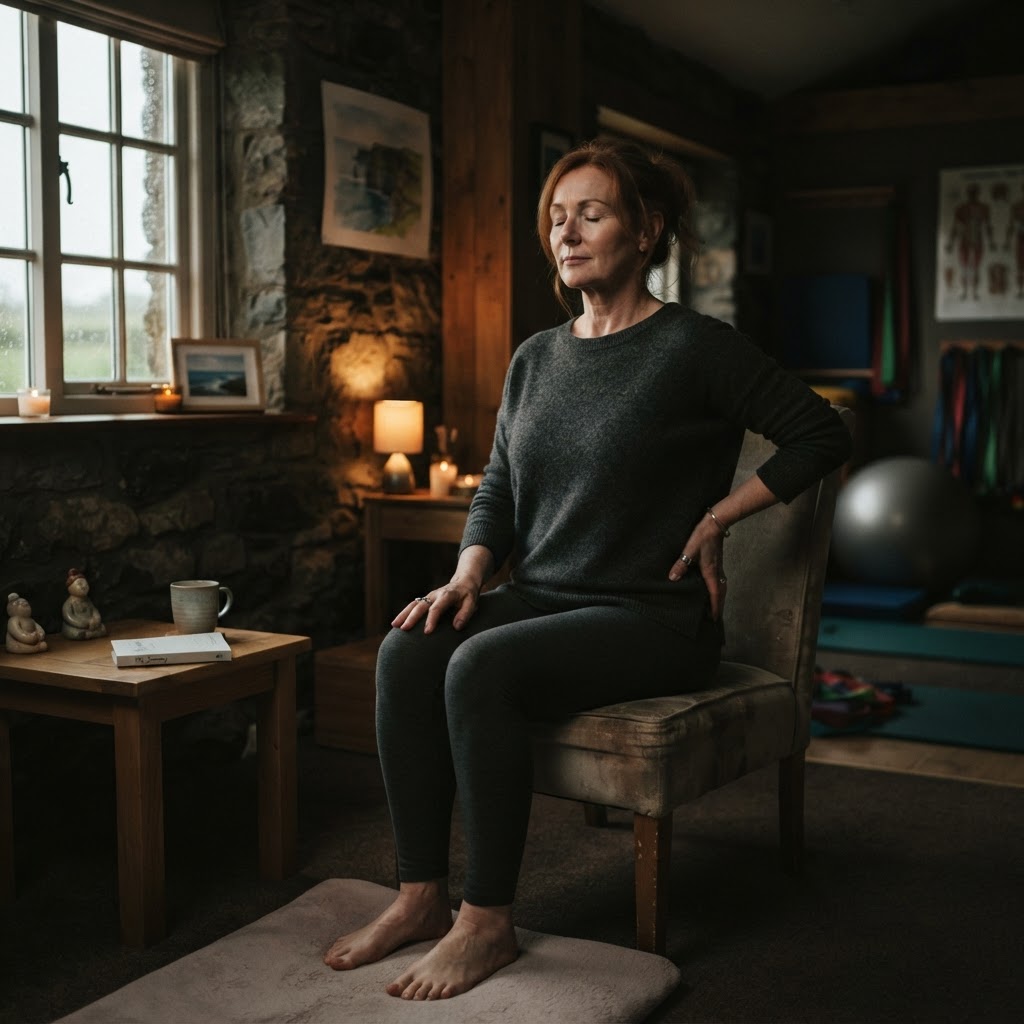
When you feel a twinge, can you gently redistribute your weight or shift your posture? This micro-correction skill compounds over time.
The Irish Context
Ireland's damp, cold climate stiffens ligaments and reduces circulation. Long, dark winters keep us indoors, reducing movement variety. GAA, rugby, and hurling create impact loads that accumulate over years. Understanding these factors helps you work with your environment, not against it.
Action Steps
- Morning body scan: Before getting out of bed, spend two minutes feeling each part of your spine and major joints.
- Movement variety: Never stay in one position for more than 30 minutes.
- Hydration: Ligaments and discs need water to stay resilient.
- Track flare-ups: Note what preceded each pain spike — patterns appear faster than you think.
The Mindset
Every person who has learned to manage chronic pain started exactly where you are now. The difference between those who improve and those who don't isn't severity — it's willingness to understand the body rather than just suppress the symptom. Your body is on your side. The question is: are you listening?
Read Next
- Understanding Pain Signals: What Your Body Is Telling You
- Pain Score vs Physical Measurement — why the reported experience and the recorded response are different information
- The I AM 900 Pain Pathway