Pain Has a Postcode
Pain in Ireland isn't random. It follows patterns shaped by our climate, our sports, our work, and our daily habits. Understanding these patterns helps you recognise your own pain story — and more importantly, shows you that you're not alone in it.
Pattern 1: The GAA Player's Knee
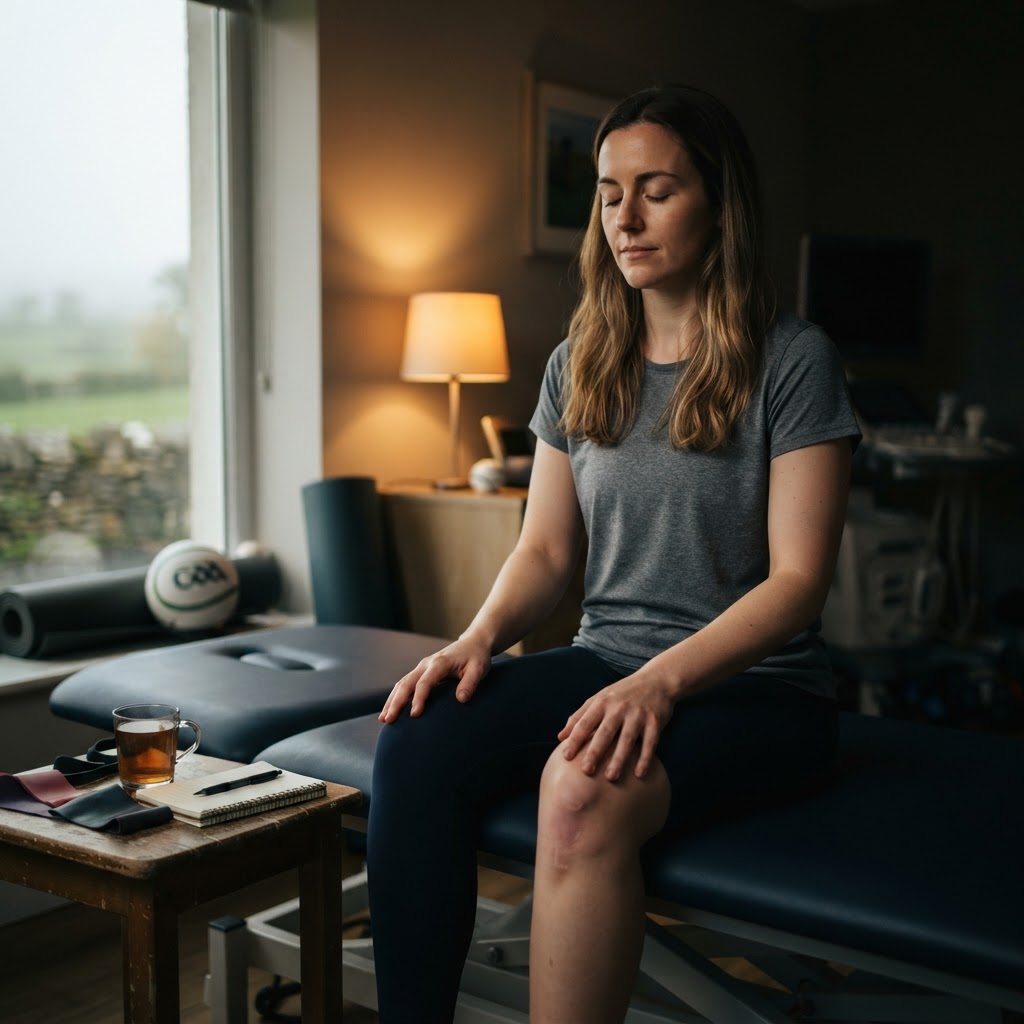
A 28-year-old Gaelic footballer in Kerry. Years of cutting, pivoting, and impact on hard winter pitches. The medial collateral ligament has been stretched and stressed repeatedly. Now, every change of direction sends a twinge through the inside of the knee.
The awareness: The knee isn't the problem — it's the victim. The hip and ankle aren't absorbing rotation, so the knee takes the load. Recovery starts with mobilising the hip and strengthening the ankle, not just resting the knee.
Pattern 2: The Office Worker's Neck
A 42-year-old in Dublin. Eight hours at a desk, then evenings on the phone. Neck pain that radiates to the shoulders and triggers tension headaches. The ligaments at the base of the skull are under constant tension from forward head posture.
The awareness: The neck isn't damaged — it's exhausted. The solution isn't a neck brace or medication; it's rebuilding the postural muscles, varying positions hourly, and learning to feel when the head drifts forward.
Pattern 3: The Farmer's Lower Back
A 55-year-old in Cork. A lifetime of lifting, bending, and working in cold, damp conditions. Disc degeneration and chronic lower back pain that's worse in the mornings and after long drives.
The awareness: The spine has adapted to decades of load. It's not failing — it's asking for a different approach. Gentle morning mobilisation, position variety, and posterior chain strengthening give the spine the support it needs.
Pattern 4: The Hurler's Shoulder
A 24-year-old in Tipperary. Repetitive overhead throwing has narrowed the subacromial space. Every swing brings a pinch. The natural instinct is to push through, because that's what hurlers do.
The awareness: Pushing through impingement doesn't build resilience — it builds damage. Opening the chest, stabilising the scapula, and working within the pain-free range lets the shoulder heal without losing sport-specific fitness.
Pattern 5: The New Mother's Wrist
A 33-year-old in Galway. Lifting, carrying, and feeding a baby has created repetitive strain in the wrist ligaments. The pain radiates up the forearm and into the shoulder.
The awareness: The wrist is the entry point of a chain that extends to the shoulder. Resting the wrist alone won't fix it — the whole chain needs attention. Forearm releases, shoulder blade stability, and varying how the baby is held all play a role.
The Common Thread
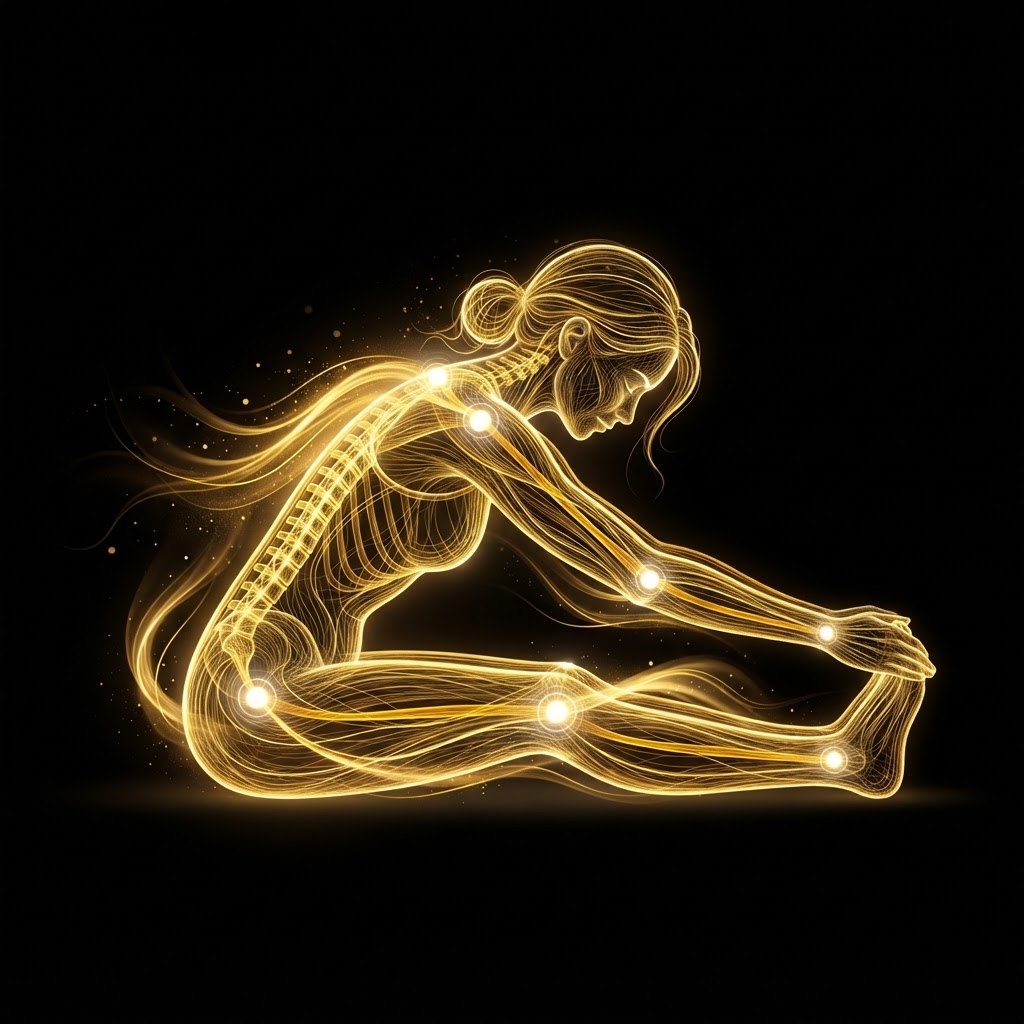
Every story is different, but the pattern is the same: pain appears where the body is compensating, not where the problem originates. The ligament chain tells the real story.
The Metacognitive Habit
Whatever your pain story, the most powerful thing you can do is become aware of your own pattern:
- Map your pain: Where does it start? Where does it spread? What makes it better or worse?
- Trace the chain: The painful area is often the victim. Look upstream and downstream.
- Notice the context: How does weather, work, sport, and sleep affect your pain?
- Track changes: Is your pain improving, worsening, or staying the same? Awareness of trends is more valuable than any single measurement.
You're Not Alone
Thousands of people across Ireland are on the same journey. The ones who recover aren't the ones with the mildest pain — they're the ones who learn to listen to their bodies, trace their ligament chains, and approach pain with curiosity instead of fear.
Your body is telling you something. Now you know how to listen.