I Tried Everything
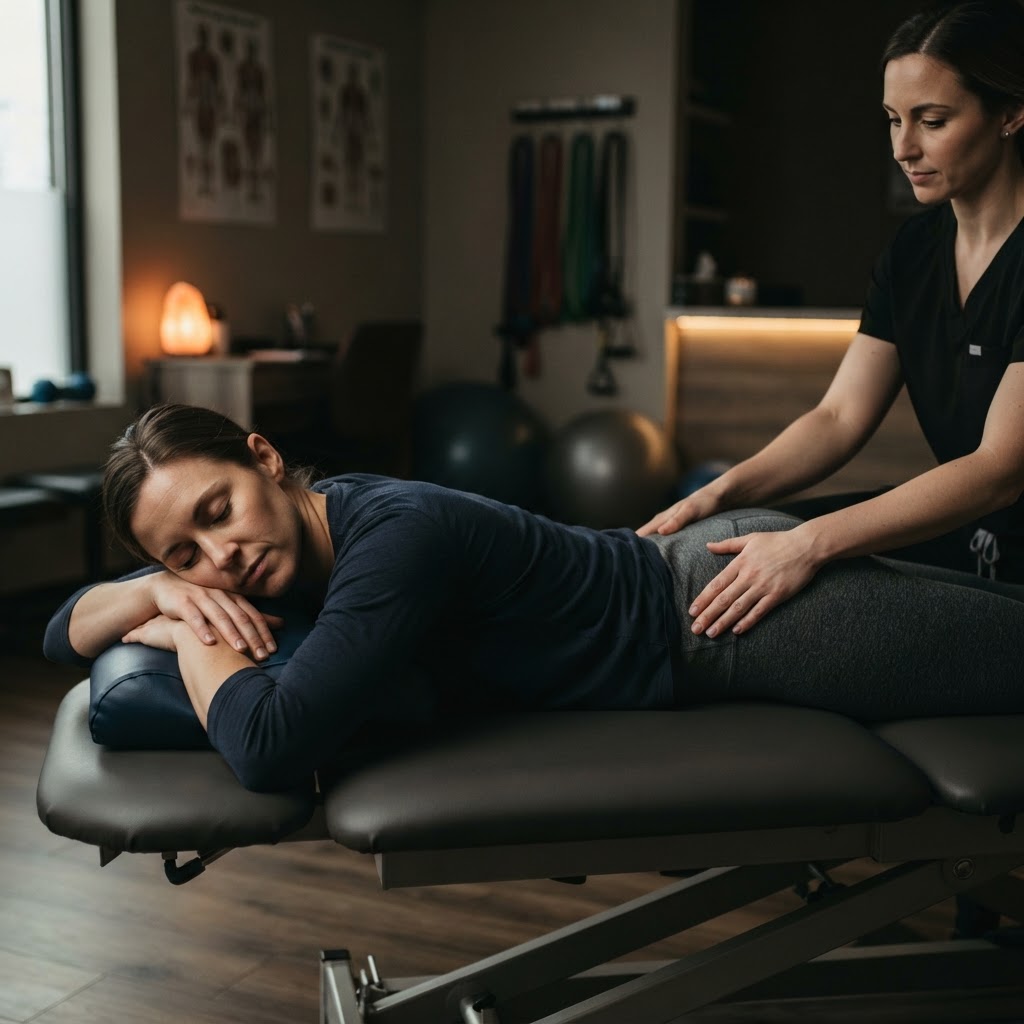
I've been the person with the foam roller, the compression boots, the ice bath subscription, the protein timing spreadsheet, and the physio who I saw every Tuesday without fail. I did it all. And I still kept getting injured.
The turning point wasn't a new gadget or a supplement. It was a shift in how I understood recovery itself.
The Old Model: Rest and Wait
Conventional recovery says: you push hard, you get sore, you rest, you repeat. The body heals on its own timeline, and your job is to stay out of the way.
That model works — until it doesn't. When the same ligament keeps tightening, the same knee keeps swelling, the same hamstring keeps pulling up sore after every session, rest alone isn't the answer. You're not recovering; you're accumulating.
What Changed
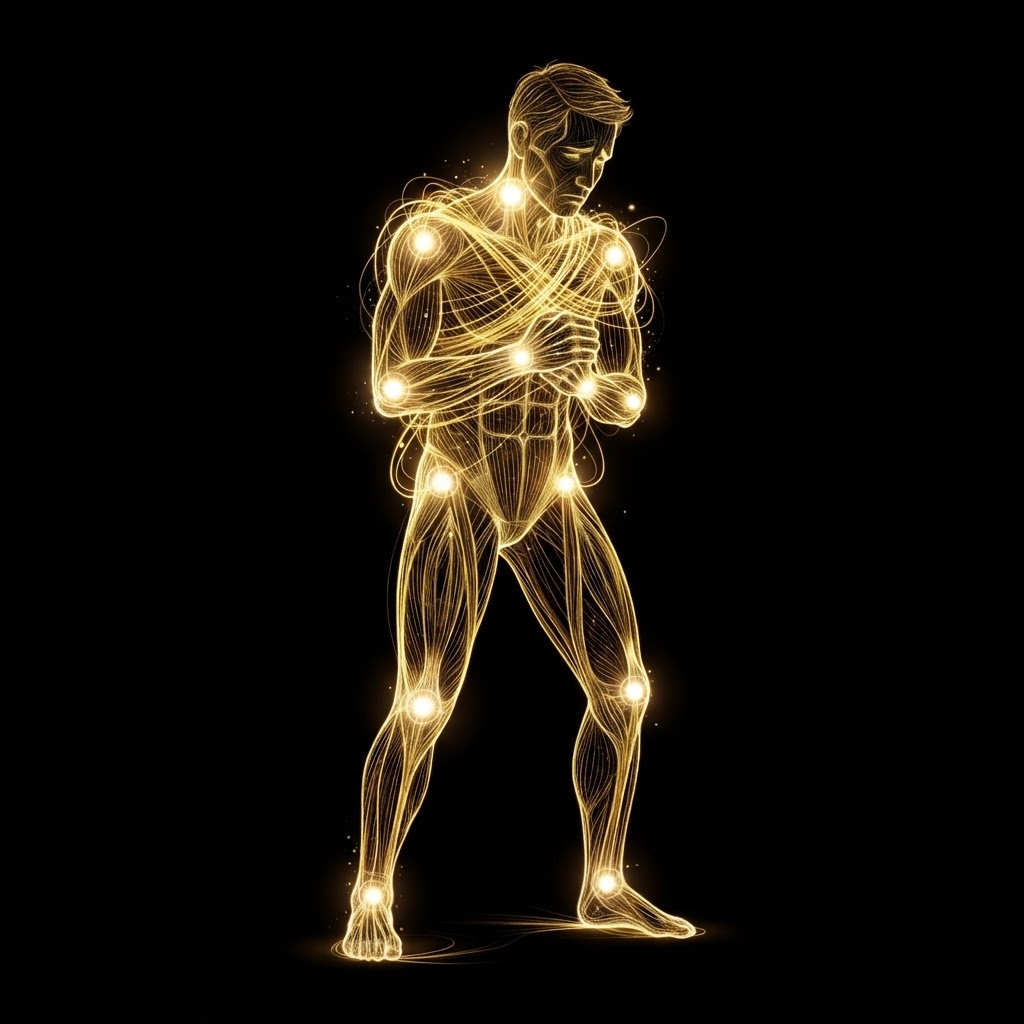
The breakthrough was understanding that every ligament in my body is part of a chain. When my ACL is tight, it's not an isolated problem — it's a signal that tension is being distributed unevenly across my entire kinetic chain, from my ankle to my hip to my spine.
Recovery, then, isn't about resting one sore ligament. It's about mapping the entire tension pattern and releasing the chain — not just the loud link.
The Practice
Here's what I do now, and it's simpler than anything I tried before:
-
Scan before you stretch. Before I touch a foam roller or do mobility work, I spend two minutes feeling which ligaments are actually tight. Not which muscles are sore — which ligaments feel restricted.
-
Follow the chain. If my knee feels tight, I check my ankle and my hip. The restriction is almost never where the pain is.
-
Release the quiet links, not the loud ones. The ligament that's screaming is already inflamed. The one that's quietly locked up is the one causing the problem.
-
Move after releasing, not before. Gentle, controlled movement through full range — this tells your nervous system the new tension pattern is safe.
Why This Works
Your nervous system isn't trying to hurt you. It's trying to protect you. When it locks down a ligament, it's bracing against a perceived threat. If you just rest, the threat is still there when you come back. But if you map the chain, release the right links, and move with awareness, you teach your nervous system that the pattern has changed.
That's recovery. Not resting the body — reading it.
The Takeaway
I spent years collecting recovery tools. What I actually needed was a recovery mindset. The tools are useful, but only when you know what you're using them on. Map the chain first. Everything else follows.