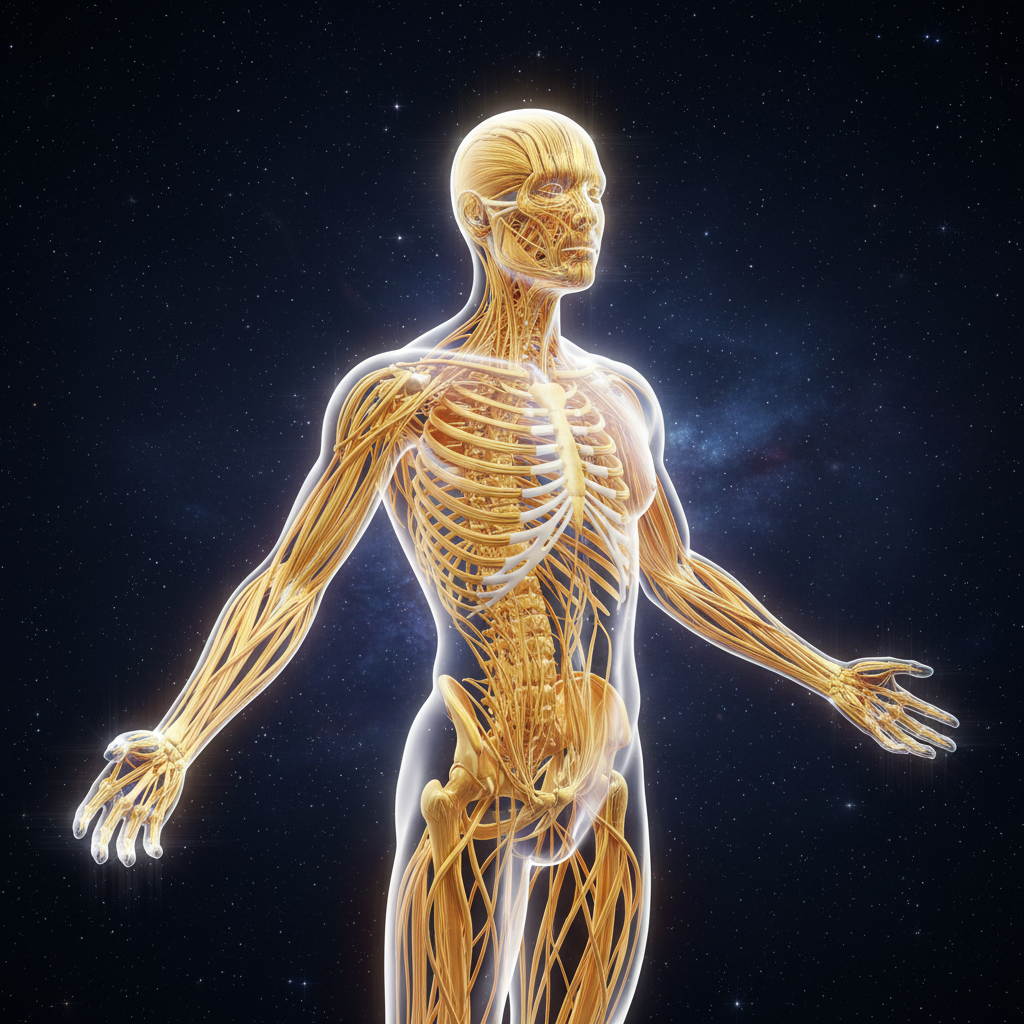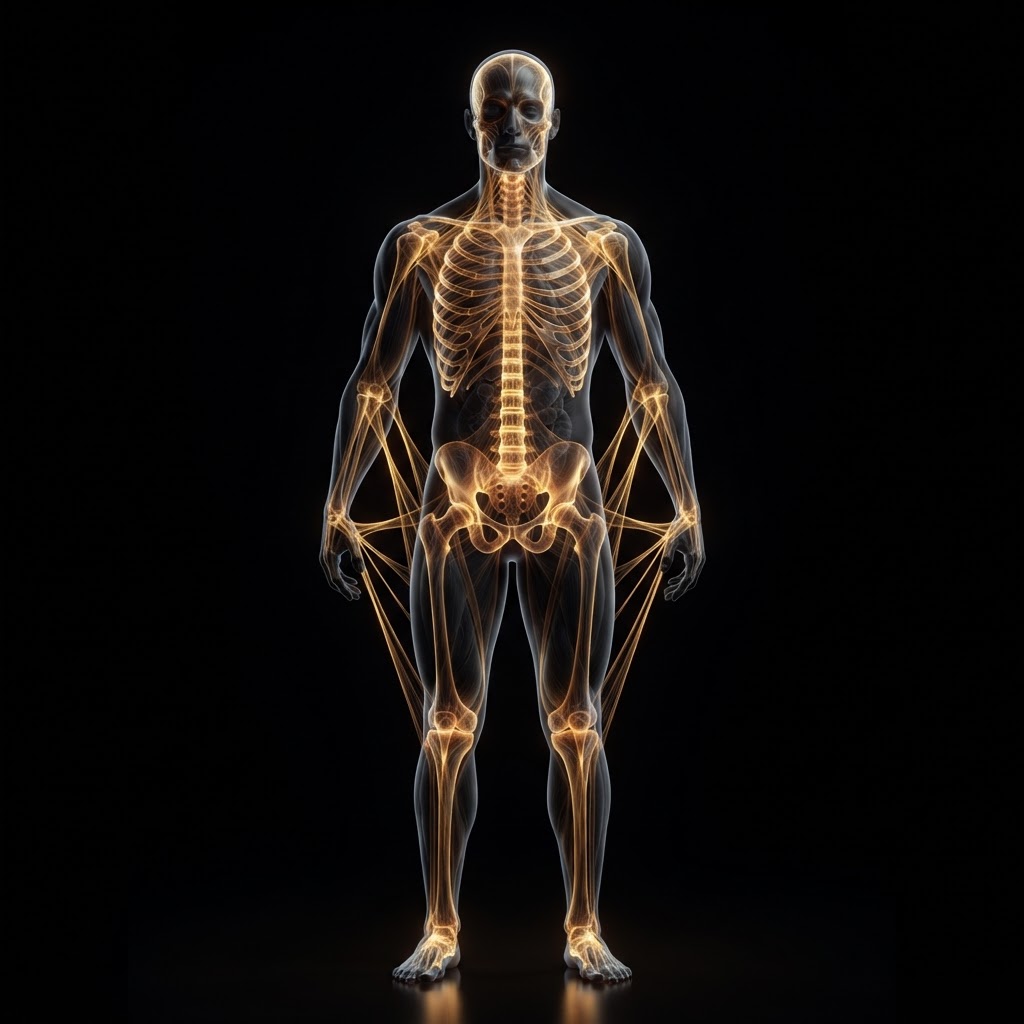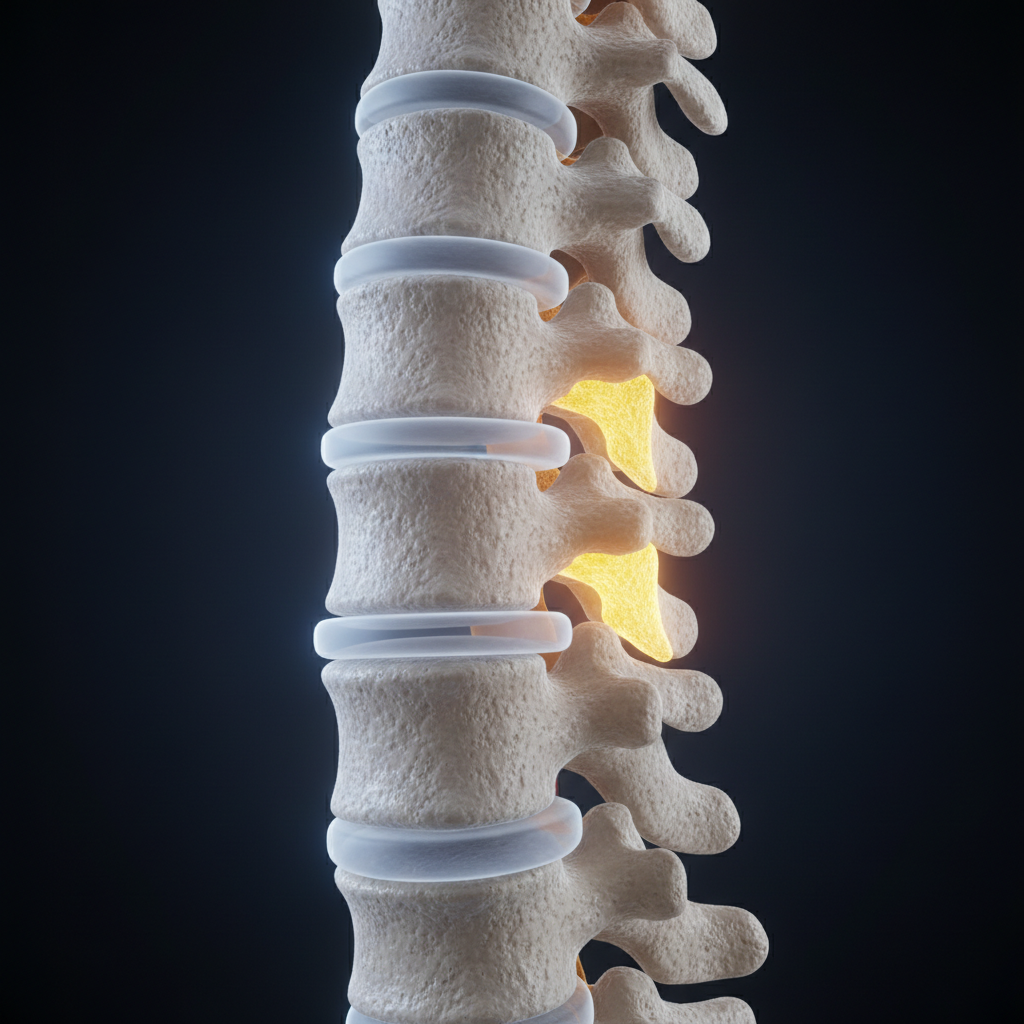
"Where does it hurt?" is usually the first question asked — and it is a good one. Location is real information, and nobody should have their description of it dismissed.
Pain location is information. Movement measurement is different information. The two should not be falsely treated as the same measurement.
This article is about what the second, broader question adds.
What location alone does not describe
A location tells you where. It does not tell you:
- Loading — how much force is being taken through that region, and through the rest of the body
- Pressure distribution — where load concentrates, and how that concentration shifts
- Movement timing — when in the movement the measurable change occurs
- Movement sequence — the order in which the measurable events of the movement happen
- Repeatability — whether the pattern is consistent under comparable repetition
- Change from baseline — whether any of the above differs from the recorded starting point
Two people can point to the same spot and produce entirely different measurements underneath — different distribution, different timing, different sequence. Location is necessary and insufficient.
Keeping Pain and Trauma conceptually separate
This article serves both contexts, and the distinction between them is kept deliberately clear.
In the Pain context, the measurement describes how the person currently moves and loads — and a measured difference does not, by itself, establish the cause of pain. Pain is not reduced to a psychological story here, and nothing in the measurement says it is.
In the Trauma context, the measurement describes the observable physical response after an event — and the same caution applies in the other direction: a measured pattern does not establish that a specific event caused it, and it does not prove a psychological meaning.
Why broader measurement may provide additional information
External published research has long framed pain and its experience within interacting biological, psychological and social factors (Engel, 1977, Science). That framing is general scientific context — it is not an I AM 900 claim, and it does not validate any specific measurement system.
What it does support is the reasonable question underneath the broader measurement: if the experience is complex, a single dimension — even a good one, like location — may not carry the whole picture. Broader measurement does not replace the person's description; it adds dimensions the description cannot hold.
What the broader measurement looks like in practice
In practice it is the same backbone used across every pathway: a baseline recorded through the Sensor Sling and pressure mat, a directed change, a retest under comparable conditions, and a comparison.
The comparison answers the question the location cannot: what changed? — in loading, in distribution, in timing, in sequence, in repeatability.
The question, properly sized
"Where does it hurt?" stays in the process. It just stops being the only question.
The Trauma Pathway and the Pain Pathway both keep the same discipline: describe what is measured, compare it against what was measured before, and let the recorded difference — not the story, and not the location — carry the decision forward.