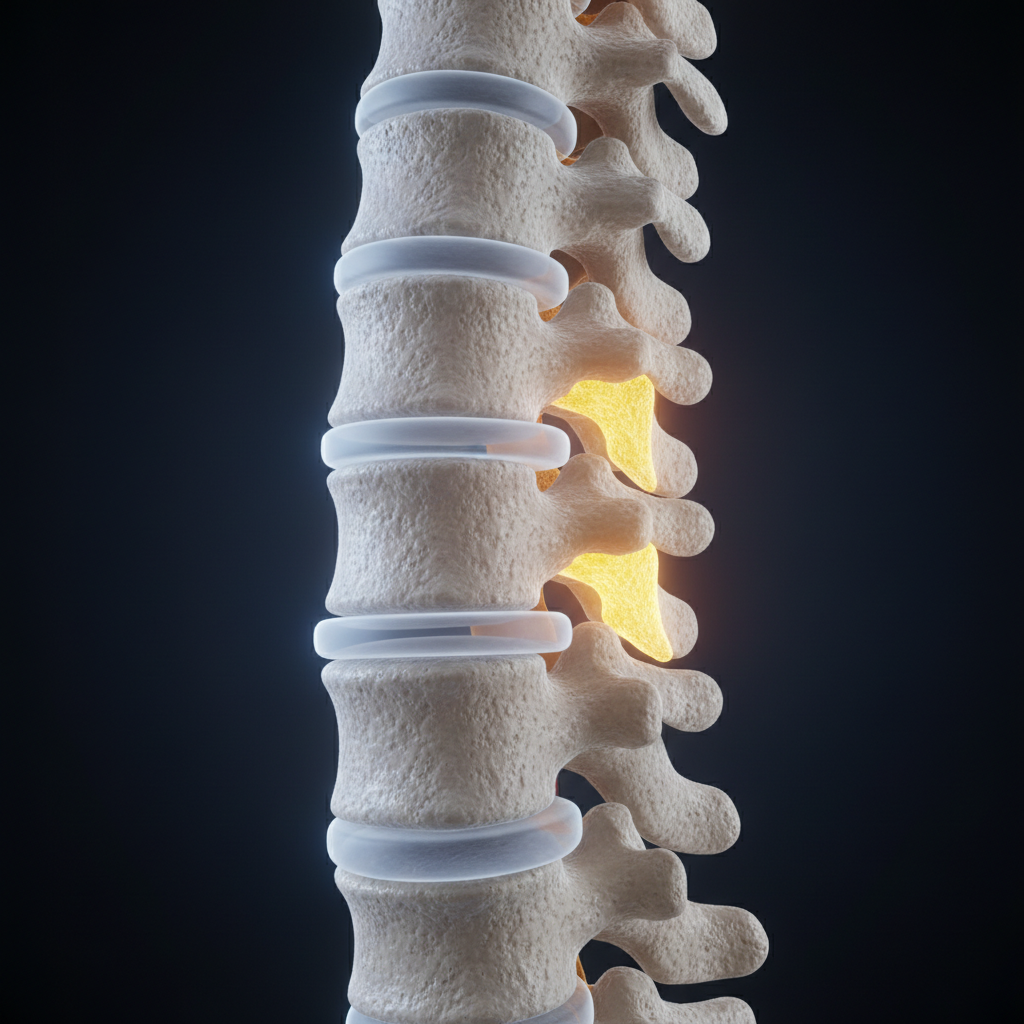
A body under demand produces a response. Pressure shifts, loading changes sides, timing slips, a pattern appears or disappears.
That response is measurable. But measured value and meaning are not the same thing, and keeping them separate is what makes measurement trustworthy.
A physical response is information, not automatically an explanation.
Pressure and loading
Pressure and loading describe how force is being taken through the body right now — how much, and where it concentrates. Recorded through the Sensor Sling and the pressure mat, they give a factual account of current loading behaviour.
What they do not give is a verdict. A measured loading preference says this is how the body is responding now. It does not say why, and it does not say what the pattern means beyond the measurement itself.
Distribution and angle
Distribution is where the load is occurring. Angle is how Sling orientation changes as the response unfolds. Both are properties of the response, recorded as values rather than impressions.
Their value comes from specificity: "pressure concentrates here at this point in the movement" is something a person cannot reliably feel and cannot accurately describe — but the instrument can record it.
Timing and sequence
Timing records when a measurable change occurs. Sequence records the order in which measurable changes occur.
Two people can produce similar peak pressure with entirely different timing and sequence. Those differences are exactly the kind of information that words lose and measurement keeps — and they often explain why two people with the same description move very differently.
Repeatability
A single response can be an outlier — influenced by a poor night's sleep, an unfamiliar room, a first attempt at anything. Repeatability asks whether the same pattern appears when the measurement is repeated under comparable conditions.
Repeatability is what turns an observation into a dependable one, and it is treated fully in Why One Response Isn't Enough.
Comparison gives measurement its meaning
No individual measurement carries much meaning on its own. Meaning arrives through three comparisons:
- Context — the questions and history that make this measurement relevant.
- Baseline — the recorded starting point this response is measured against.
- Retest — the later comparable measurement that shows what changed.
ONE MEASUREMENT IS A MOMENT. A BASELINE GIVES US A REFERENCE. A RETEST GIVES US A COMPARISON.
A physical response tells us what the body is doing now — accurately, specifically, repeatedly. What it becomes depends entirely on the structure built around it.
What a response does not tell us
It does not diagnose psychological meaning. It does not establish why an experience changed a person. It does not prove anything about what someone feels.
The Trauma Pathway keeps that boundary deliberately firm: measurement shows the physical response happening now. Questions add context. Retesting shows what changed. Those three — and nothing more — is what the response tells us.