The Ice Bath Lie
I spent years freezing myself in ice baths because that's what the pros did. Every time something hurt, I reached for the cold. And every time, the pain came back.
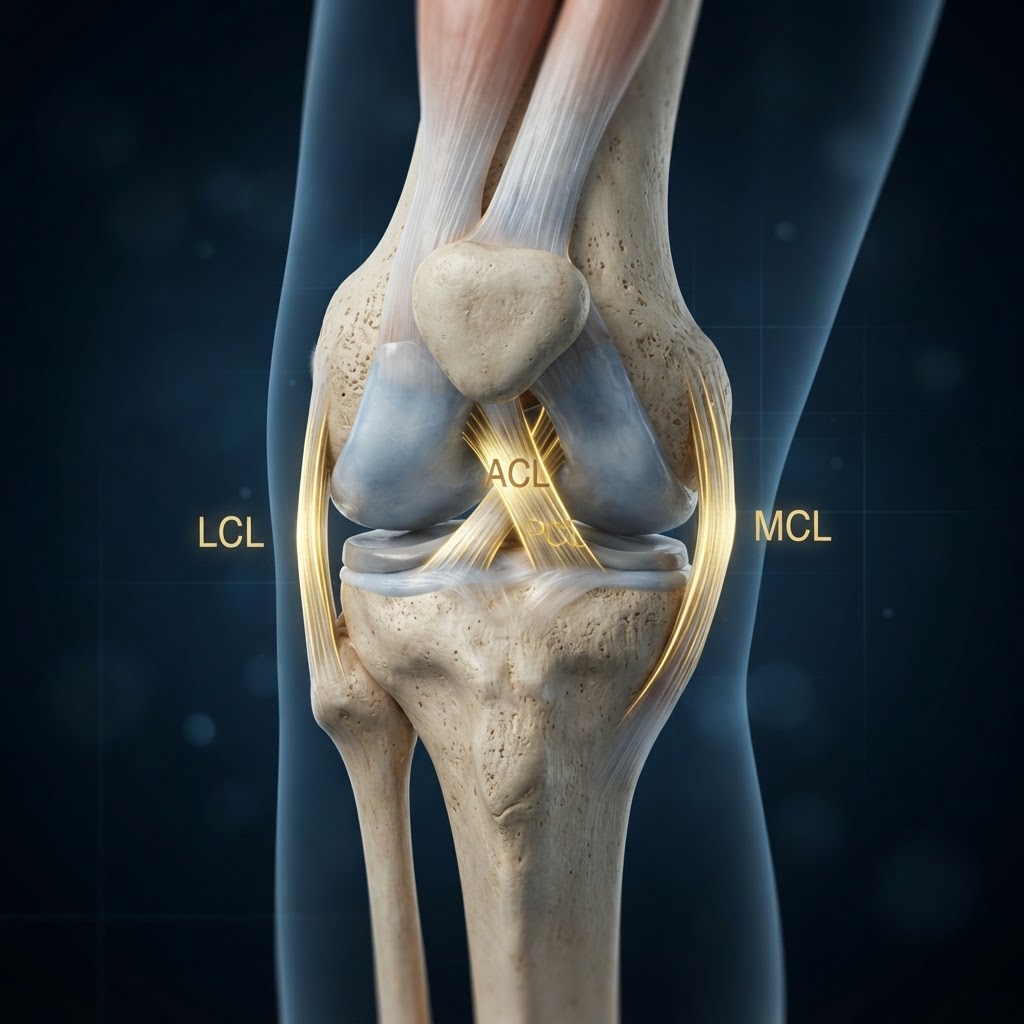
Here's what nobody told me: ice reduces inflammation, yes — but inflammation is the first step of healing. When you ice a ligament injury, you're not just dulling the pain. You're slowing down the repair process your body is trying to run.
Ligaments Aren't Muscles
This was the revelation that changed everything for me. Muscle recovery and ligament recovery are fundamentally different processes.
Muscles have rich blood supply. They heal fast. You can pound them with training, and with rest and protein, they bounce back.
Ligaments have poor blood supply. They heal slowly — when they heal at all. And the thing that makes them strong isn't rest. It's controlled, progressive tension. Ligaments adapt to load. Take the load away, and they get weaker.
The Shift
Once I understood this, my entire recovery approach changed:
Stop freezing, start feeling
Instead of numbing pain with ice, I started using it as information. Where exactly is the restriction? Which ligament is locked? What movement triggers it?
Load, don't unload
Instead of complete rest, I started loading the ligament gently — isometric holds, controlled eccentrics, progressive tension through the chain. Not through the injured ligament alone, but through the entire connected chain.
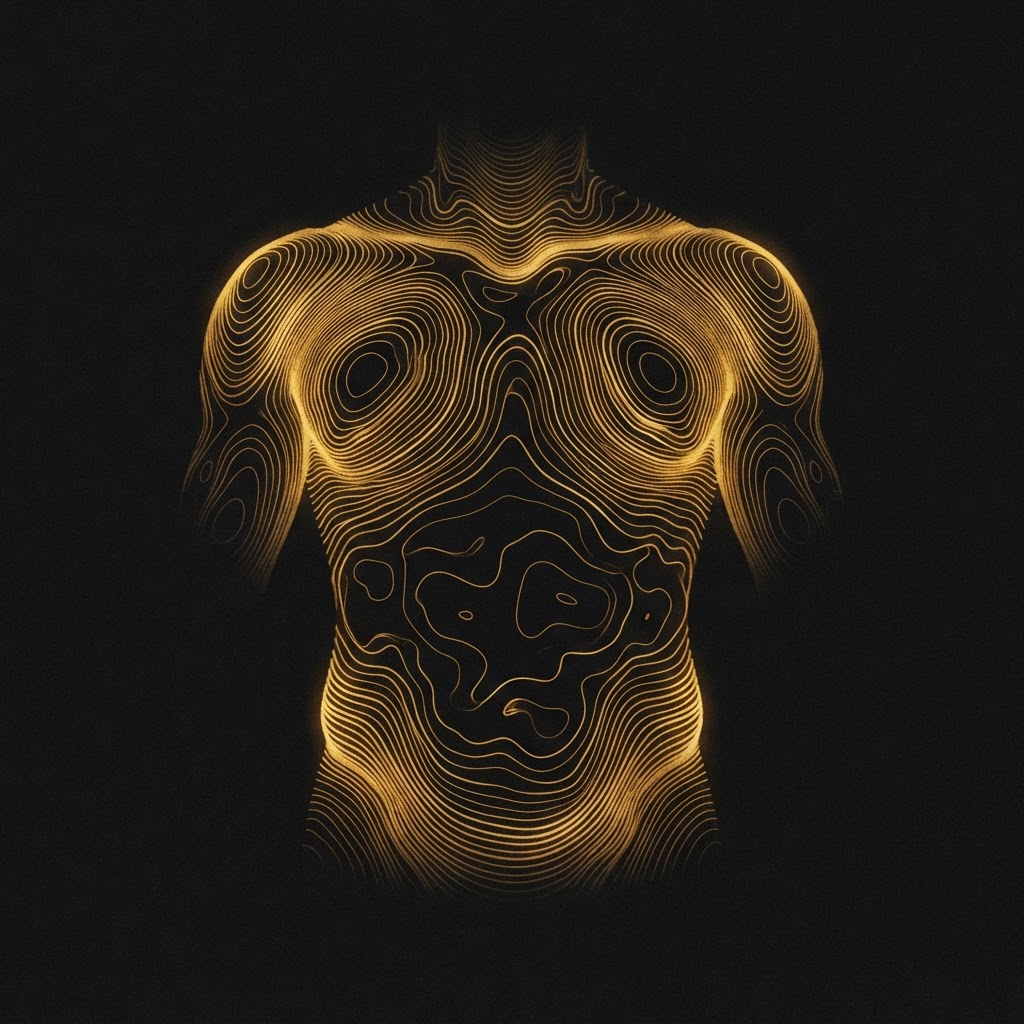
Map the chain, not the spot
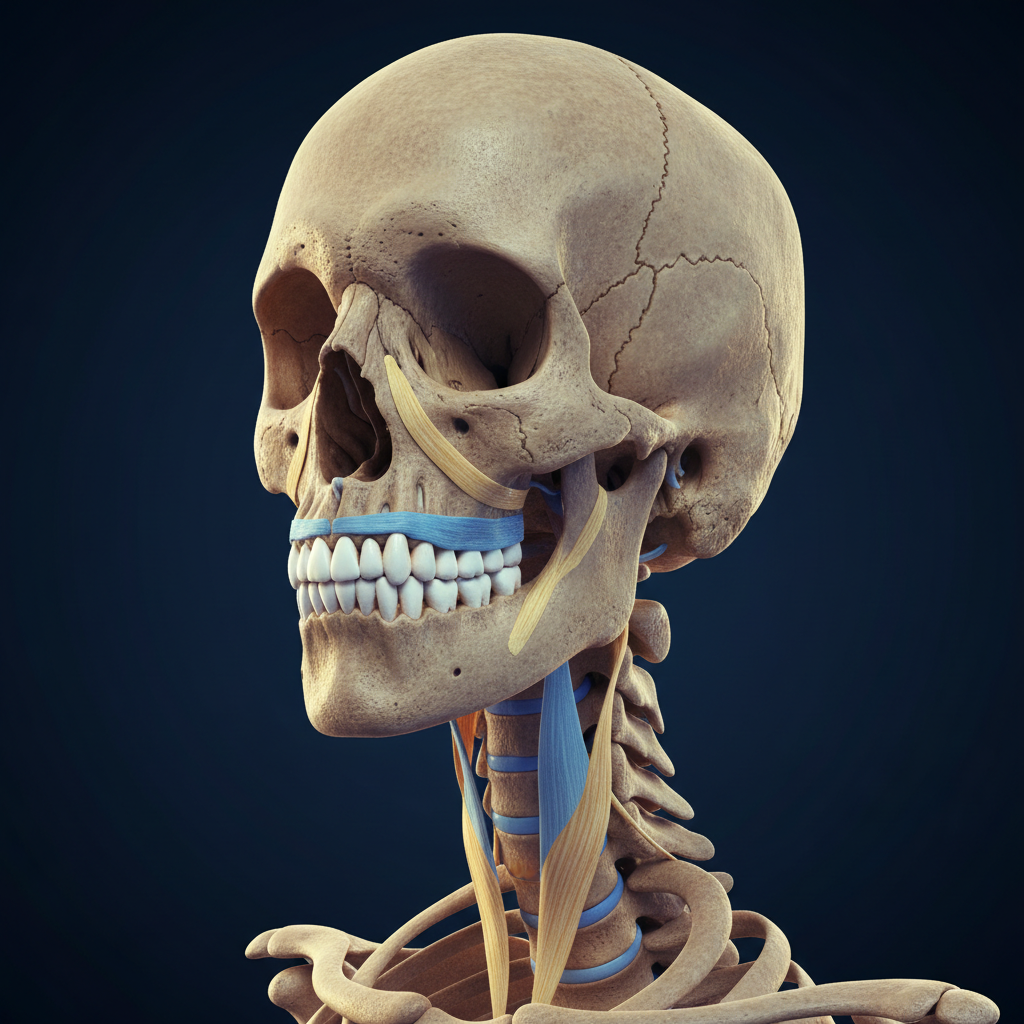
My shoulder kept locking up. I kept treating the shoulder. It wasn't until I traced the tension down through my thoracic spine, across my ribs, and into my hip that I found the real restriction. The shoulder was the victim, not the culprit.
What I Do Now
My recovery protocol is simpler and more effective than anything I tried in the old days:
-
Warm, not cold. Gentle heat to increase blood flow to the ligament. Blood brings the repair materials.
-
Isometric tension. Hold the ligament under gentle load for 30–45 seconds. This stimulates collagen production — the building block of ligament tissue.
-
Chain mobilisation. Move the joints above and below the restricted ligament through full range. The goal isn't to stretch the injured ligament — it's to restore flow through the chain.
-
Progressive loading. Each day, slightly more tension than the last. Not much more — just enough to signal adaptation.
The Result
I recover faster now than I did when I was icing, resting, and waiting. Not because I found a magic technique — because I stopped fighting my body's natural process and started supporting it.
Ligaments want to heal. They want to adapt. They just need the right signal: progressive, controlled, chain-aware tension. Give them that, and they'll do the rest.