Pain location is important information.
So is what the movement records.
They are not the same information — and neither replaces the other.
Pain Location Is Important Information
Where you report pain matters.
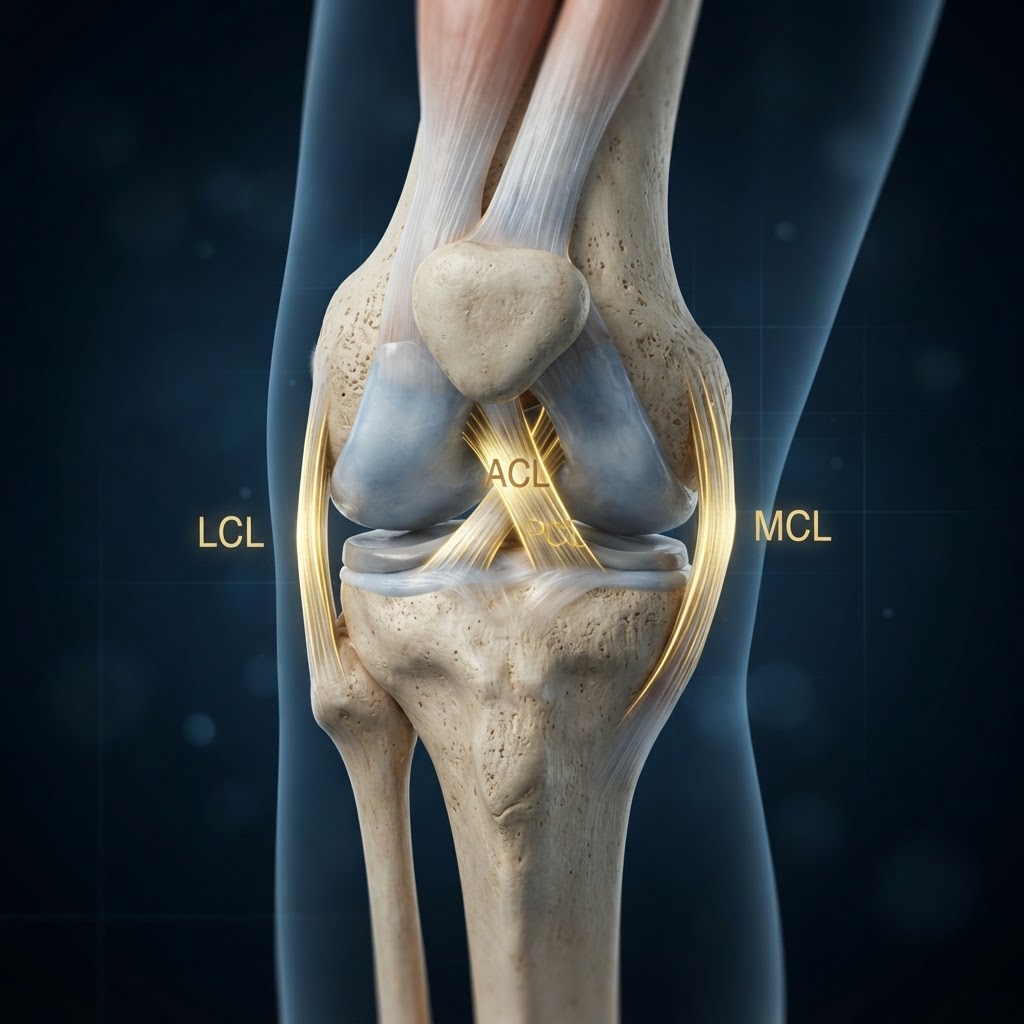
It tells us where the pain is. That is a real, useful part of the picture — and no measurement replaces what the person reports about their own experience.
Location Does Not Describe the Whole Movement Response
Movement measurement does not describe where pain is reported.
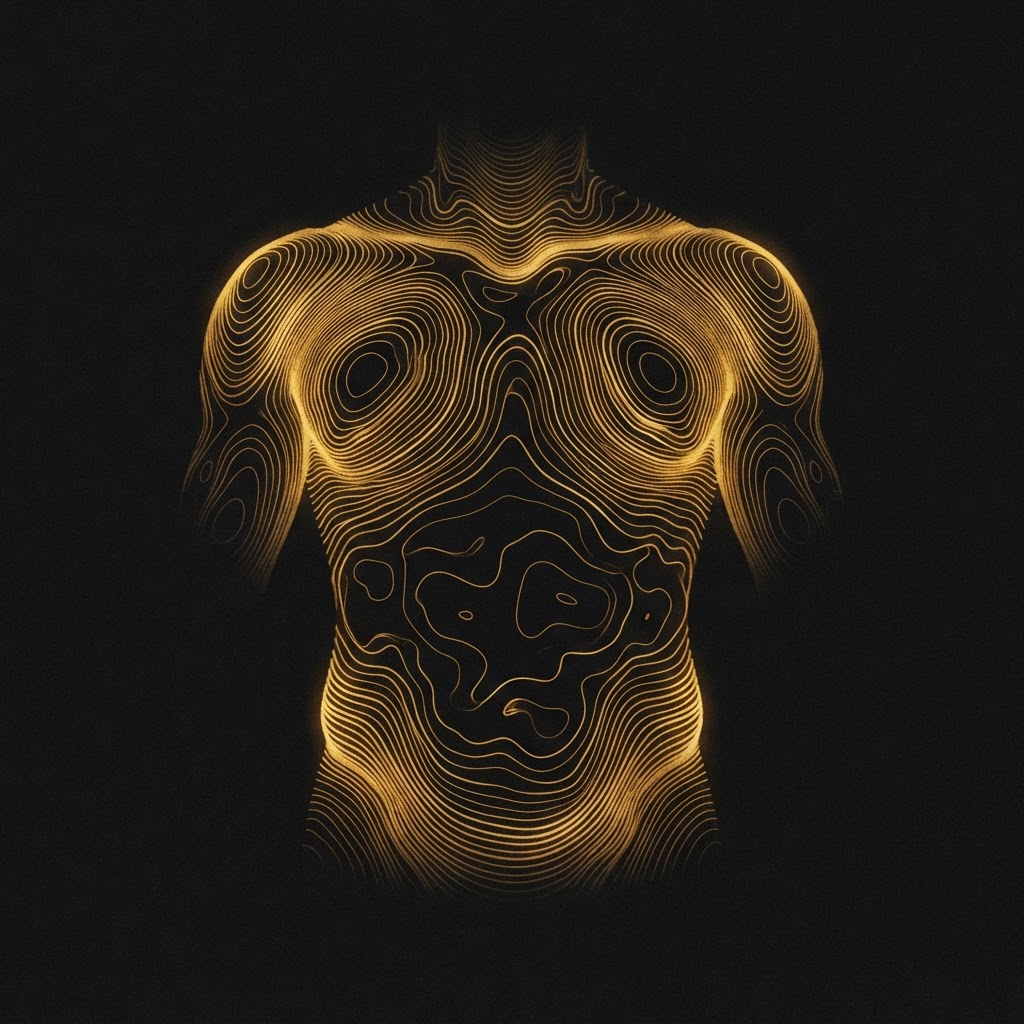
It describes aspects of the physical response during a defined task — loading, pressure, timing, sequence, repeatability, movement response — wherever the measurement is taken.
PAIN LOCATION TELLS US WHERE YOU REPORT PAIN.
MOVEMENT MEASUREMENT DESCRIBES ASPECTS OF THE PHYSICAL RESPONSE.
Neither is automatically the "cause" of the other.
Loading
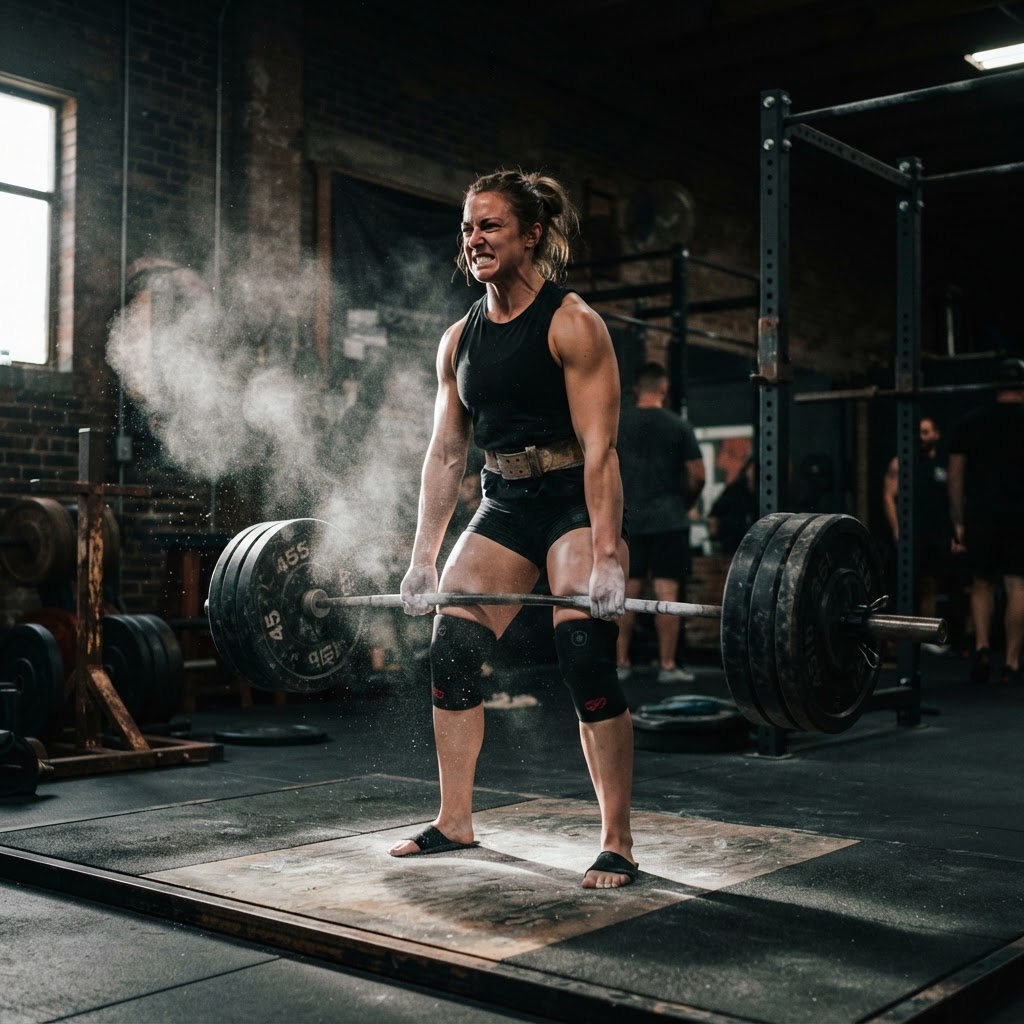
Loading describes how demand is taken up during a task — including ground and contact loading where the pressure mat is used.
It is a description, not a diagnosis. It does not on its own establish why pain is reported.
Pressure Distribution
Where supported, pressure measurements can show how force is distributed — through the Sensor Sling measurement location, or across ground contact where the pressure mat is used.
Distribution adds information a single total can hide.
Timing and Sequence
When events happen during the task — and the order they occur in.
Useful when comparing the same task before and after an input changes.
Repeatability
Does the response repeat consistently when the task is repeated?
Repeatability turns a single observation into something that can be compared.
Why Baseline Matters
The baseline records where this person starts — reported pain and physical response, together, under a defined task.
The person becomes their own comparison. Not a universal ideal.
What Changed on Retest?
After the input changes, the same task is repeated:
what changed in what you report.
what changed in the measured response.
Compared separately — then read together.