Pain Is a Conversation
Your body is constantly talking to you. Pain is one of its loudest voices, but it's not always saying what you think. A sharp pain in your shoulder might be telling you about tension in your neck. A dull ache in your hip might be your spine asking for attention. Learning to listen changes everything.
The Three Types of Pain Signals
Acute Pain
This is your body's alarm system — immediate, sharp, and protective. It says "stop what you're doing right now." Listen to it, but don't fear it. Acute pain is your body working correctly.
Recurring Pain
This is your body's reminder system. It says "we've been here before, and we haven't addressed the root." Recurring pain in the same area is an invitation to look deeper — at your movement patterns, your ligament chains, and your daily habits.
Chronic Pain
This is your body's adaptation system. Chronic pain often persists long after tissue has healed because your nervous system has become sensitised. The good news: this sensitivity can be retrained through awareness and gradual movement.
The Compensation Pattern
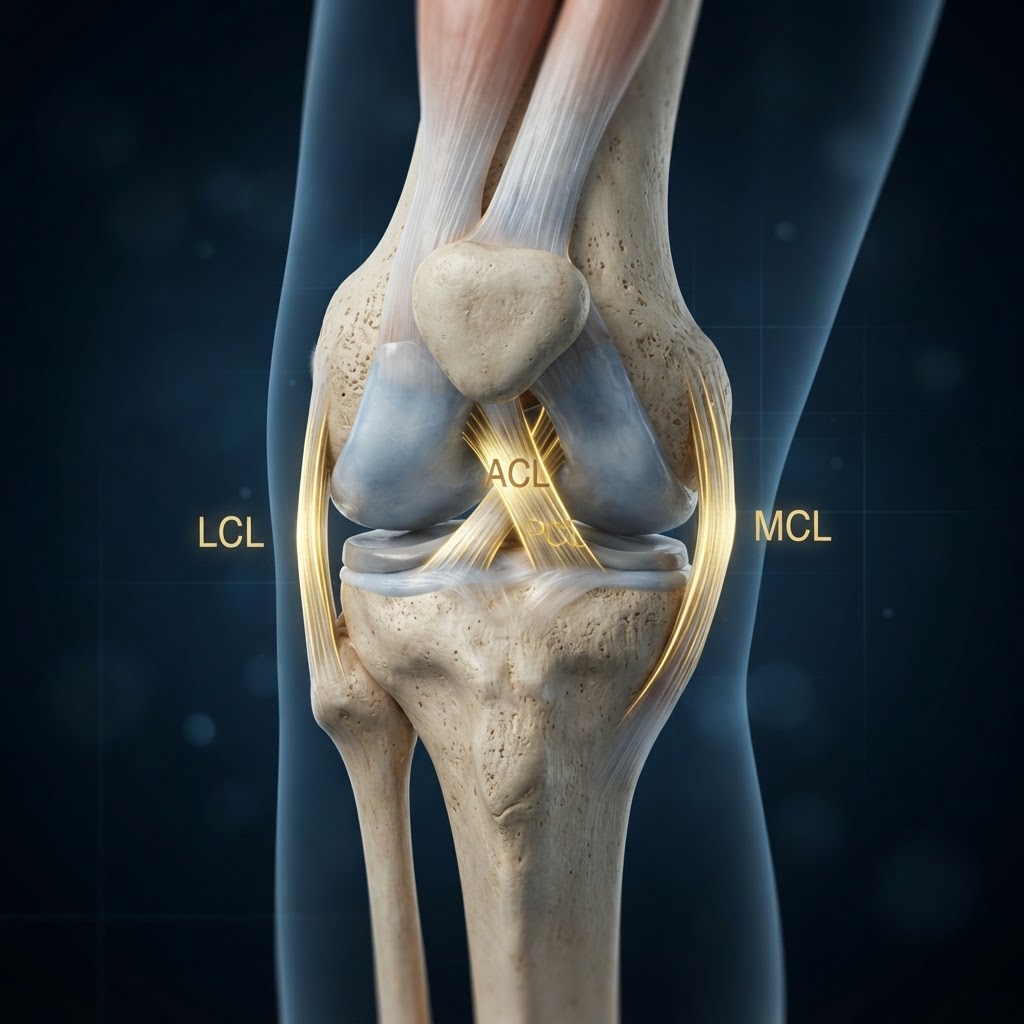
When you have pain in one area, your body shifts tension to compensate. Back pain shifts to the hips. Hip pain shifts to the knee. Knee pain shifts to the ankle. This is why understanding the full ligament chain — not just the painful spot — is so powerful.
How to Listen Better
Slow Down
Pain moves faster than awareness. When pain spikes, pause. Don't immediately reach for medication — first, notice. Where exactly is it? Does it radiate? What were you doing five minutes ago?
Map the Chain
When your knee hurts, can you feel your hip? Your ankle? Your lower back? The painful joint is often the victim, not the culprit. Mapping the chain helps you find the source.
Notice the Context
Irish life has rhythms that affect pain: cold mornings stiffen joints, long car commutes compress the spine, GAA training on hard ground stresses ligaments. Your pain doesn't exist in isolation — it lives in the context of your daily life.
Action Steps
- Pain journal: Rate your pain 1–10 twice daily, with one note about what you did.
- Chain mapping: When pain appears, spend 30 seconds feeling the joints above and below it.
- Pre-movement scan: Before exercise or training, notice which areas feel tight or restricted.
- Post-movement reflection: After activity, notice what feels better — not just what hurts.
The Shift
When you stop treating pain as an enemy to be silenced and start treating it as a signal to be understood, everything changes. Your body isn't betraying you. It's guiding you — sometimes clumsily, but always with your best interests at heart.
Pain Is Information. Measurement Is Different Information.
What the body may be telling you and what an instrument records are related but separate. Pain Score vs Physical Measurement sets out the distinction, and Pain Location vs Movement Response separates where it hurts from how the body responds. The I AM 900 Pain Pathway shows the full sequence.