The Warm-Up Nobody Gets Right
Most athletes warm up for their muscles. A light jog, some dynamic stretches, a few mobility drills, maybe some strides. The goal is to get the blood flowing, raise core temperature, and loosen up.
That's fine for the muscles. But it completely misses the tissue that needs preparation the most: the ligaments.
Ligaments don't have the rich blood supply that muscles do. They don't warm up from a jog. They warm up from specific, progressive loading that prepares them to handle explosive force. And if you step onto the pitch with warm muscles and cold ligaments, you're one unplanted cut away from a tear.
Why Ligaments Need Different Preparation
Muscles warm up through increased blood flow and metabolic activity. A few minutes of light exercise raises muscle temperature, makes the tissue more pliable, and primes the nervous system to recruit fibres efficiently.
Ligaments warm up through mechanical loading. The collagen fibres need to be progressively stretched and loaded so they become stiffer and more responsive — ready to store and release elastic energy. This doesn't happen from a jog. It happens from specific, progressive force application.
Think of it this way: a cold ligament is like a cold rubber band. It's stiff but brittle — it can snap under sudden load. A warm ligament is like a rubber band that's been gently stretched — it's elastic, responsive, and can handle sudden force without breaking.
The 20-Minute Protocol
This protocol is designed to progressively load the ligaments through the kinetic chain, from the ground up. It takes 20 minutes and should be done before every training session and competition.
Minutes 0–4: Tissue Activation
Start with low-load, long-duration holds that wake up the collagen fibres:
- Calf wall stretch holds — 2 × (15 seconds loading stretch + 15 seconds pull stretch) each leg, with deliberate tension through the Achilles tendon
- Hip flexor lunge holds — 2 × (15 seconds loading stretch + 15 seconds pull stretch) each leg, focusing on the front-of-hip ligaments
- Glute bridge holds — 2 × (10 seconds loading stretch + 10 seconds pull stretch), squeezing through the posterior chain
The goal isn't to stretch. It's to load the tissue with sustained tension so the collagen fibres align and prepare for higher forces.
Minutes 4–10: Progressive Loading
Now you add load, building from bodyweight to moderate resistance:
- Slow-tempo squats — 2 × 8 reps, 4 seconds down, 1 second pause at bottom, 2 seconds up. Focus on tension through the patellar tendon and ACL.
- Single-leg Romanian deadlifts — 2 × 6 each leg, slow and controlled. This loads the hamstring tendons and the entire posterior chain.
- Push-up holds — 2 × (10 seconds loading stretch + 10 seconds pull stretch) at the bottom position, loading the shoulder and elbow ligaments.
The key is control. You're not trying to fatigue the muscles. You're loading the ligaments with progressive force so they stiffen and prepare for explosive work.
Minutes 10–15: Reactive Activation
Now you introduce speed — but in a controlled, progressive way:
- Pogo jumps — 2 × 20, focusing on stiff ankles and quick ground contact. This primes the Achilles tendon and ankle ligaments for reactive force.
- Squat jumps — 2 × 5, moderate intensity. This loads the patellar tendon and ACL through the stretch-shortening cycle.
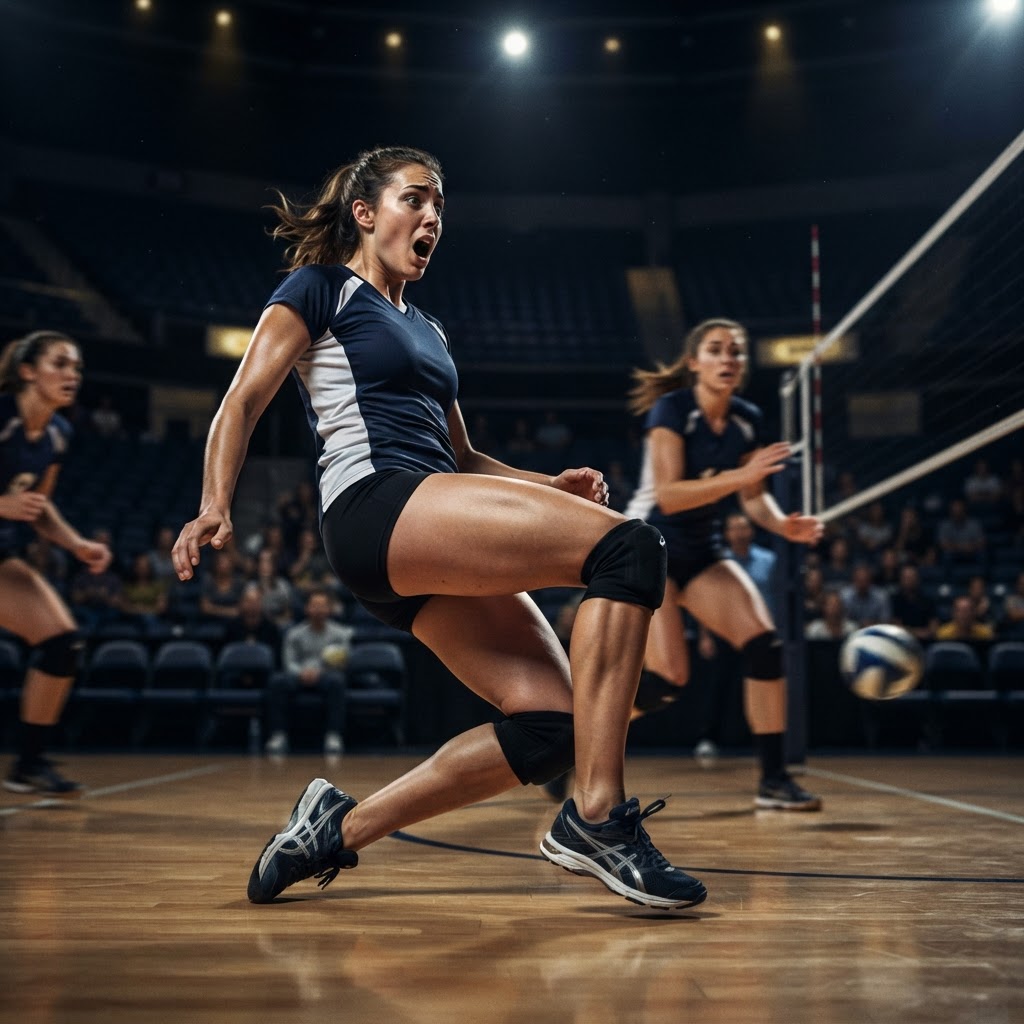
- Lateral bounds — 2 × 5 each direction, controlled landing. This prepares the knee and hip ligaments for the lateral forces of cutting.
Keep the volume low. The goal is activation, not fatigue. You want the ligaments primed and responsive, not tired.
Minutes 15–20: Sport-Specific Priming
Finally, you introduce movements that replicate the demands of your sport:
- Soccer/Gaelic/Hurling: Sprint accelerations (3 × 20m), cutting drills at 70% intensity, ball work at match pace
- Rugby: Contact preparation — tackle bag work at progressive intensity, sprint accelerations, lateral movement
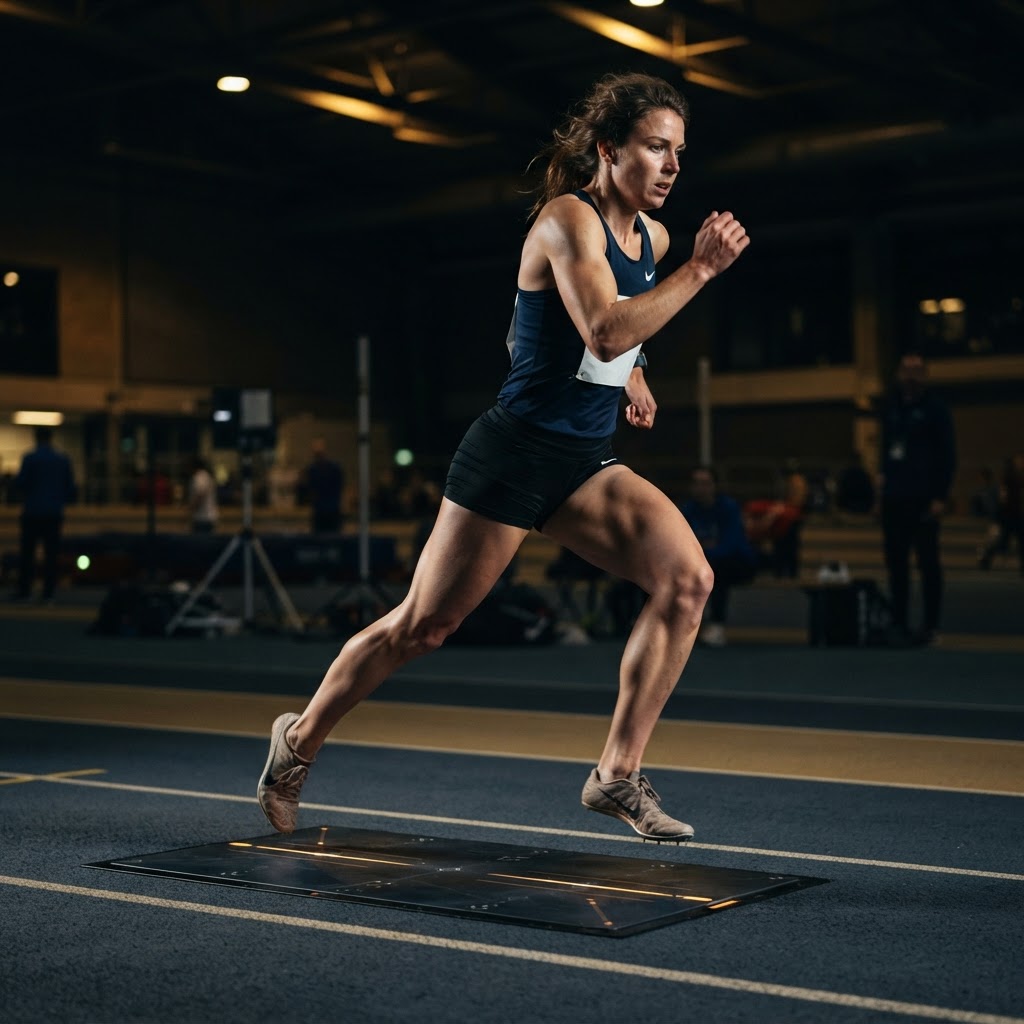
- Athletics: Event-specific drills at 80% — block starts, approach runs, thrower's med ball work
This is where the nervous system ties everything together — the activated tissue, the loaded ligaments, and the reactive priming all merge into sport-ready performance.
The Sensor Check
Here's where the I Am 900 system changes the preparation game. The pressure sensors in the sling can detect, in real time, whether your ligaments are actually ready. Are both sides loading symmetrically? Is the left chain still compensating for last week's tweak? Is the ankle accepting full load, or is it still offloading to the knee?
This isn't guesswork. It's data. And it means you know — before you step onto the pitch — whether your ligaments are prepared for the forces you're about to subject them to. If the sensors show an asymmetry or a compensation pattern, you adjust the protocol. You spend more time on the weak side. You regress the plyometrics. You prepare the tissue that needs preparing.
The Takeaway
Your warm-up is probably built for muscles. But the tissue that tears, sprains, and limits your performance is the ligament. Take 20 minutes before every session and competition to progressively load the collagen fibres through the kinetic chain. Activate. Load. React. Prime. And if you have the sensors, check your data. The best injury prevention is the one that happens before the first whistle — when your ligaments are already warm, stiff, and ready to handle whatever the game throws at them.