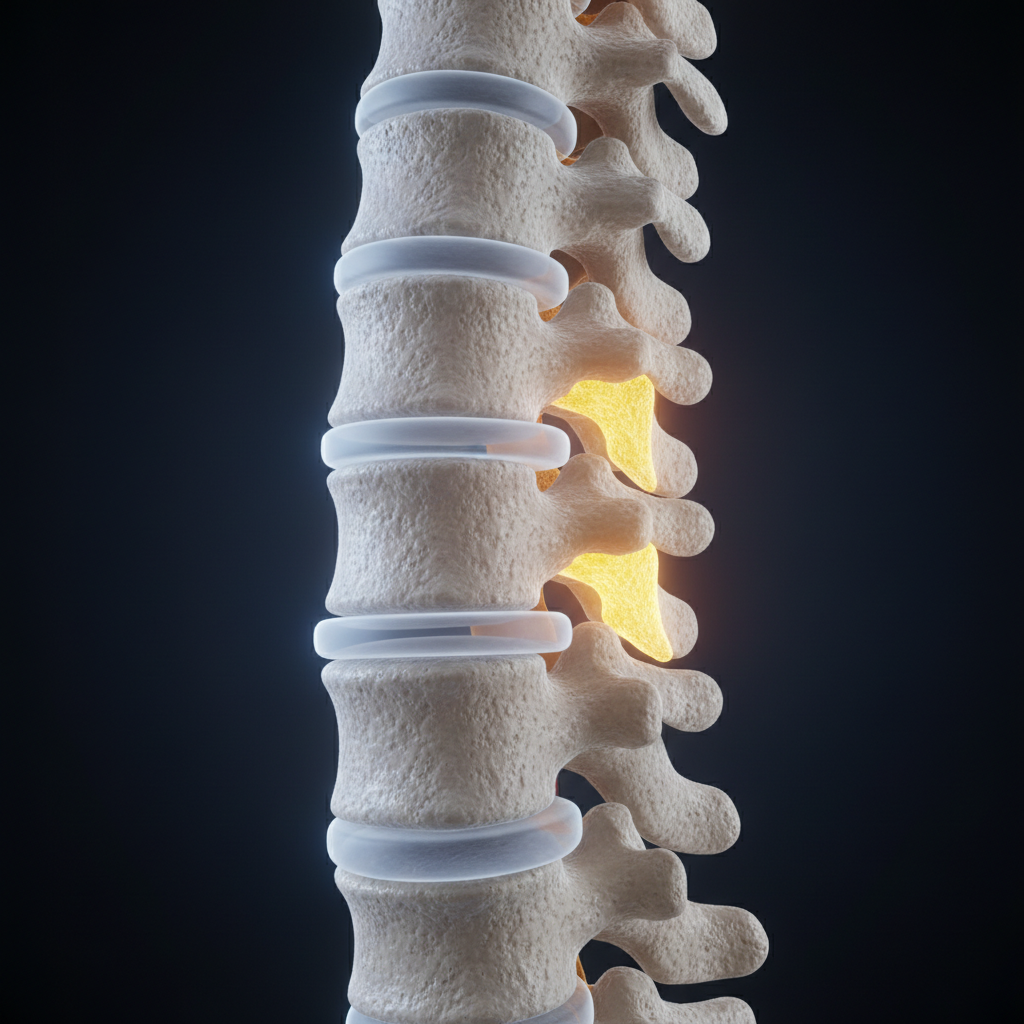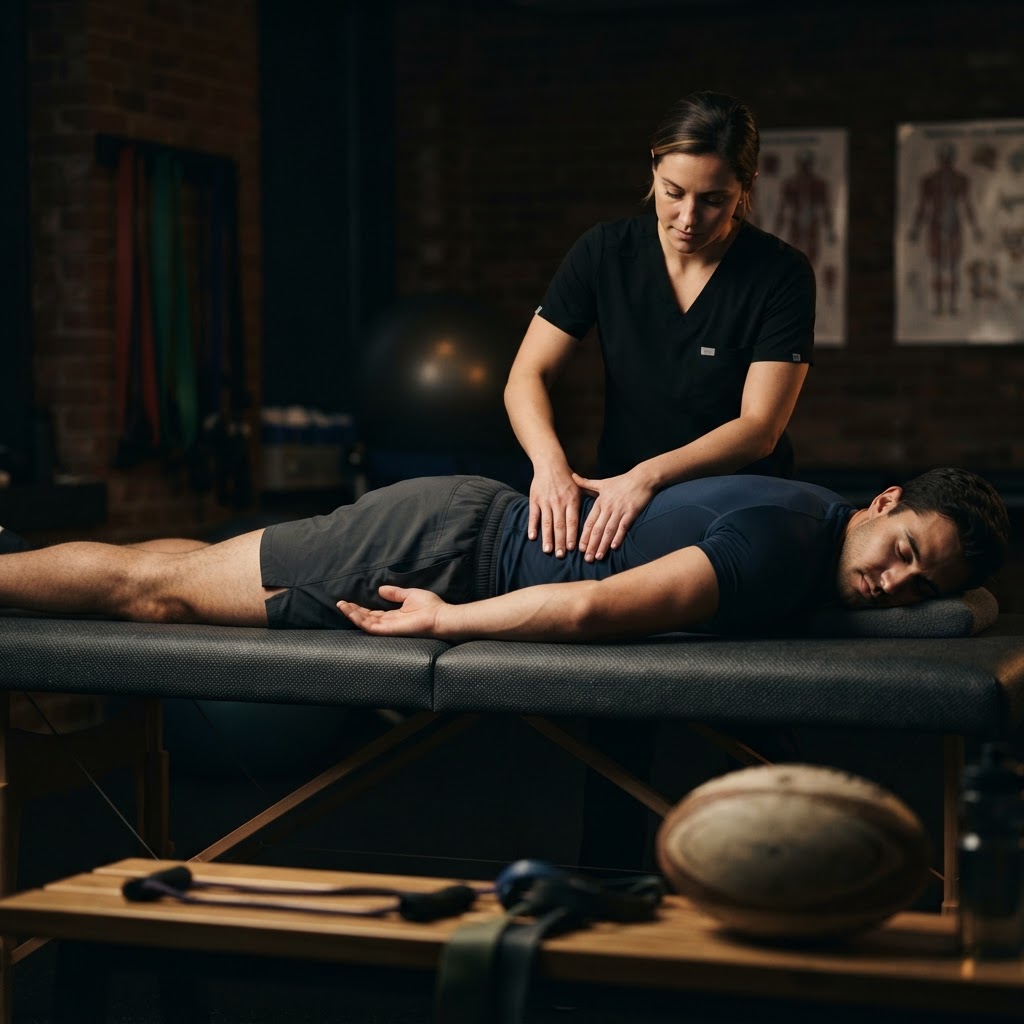
What Is a Bulging Disc?
A bulging disc occurs when the soft cushion between your vertebrae extends beyond its normal boundary. It's one of the most common spinal conditions in Ireland, affecting thousands of people from GAA players to office workers.
But here's the truth that most people miss: a bulging disc is not a life sentence. Many people walk around with bulging discs and feel no pain at all. Your body is remarkably adaptable, and understanding why is the first step to recovery.
Understanding the Ligament Connection
Your spine is held together by an intricate network of ligaments — the posterior longitudinal ligament, the ligamentum flavum, and the supraspinous ligament, among others. When a disc bulges, these ligaments are placed under asymmetric tension.
The pain you feel isn't just from the disc pressing on a nerve. It's often from the ligament chain that's been forced to compensate for the imbalance. This is why understanding your body's full system — not just the isolated disc — is so powerful.
The Metacognitive Approach to Recovery
Recovery from a bulging disc isn't about passive rest. It's about active awareness:
- Notice your patterns: When does the pain spike? What movement precedes it? This awareness is your greatest diagnostic tool.
- Feel the chain: Your body compensates for spinal pain by shifting tension to the hips, shoulders, and neck. Can you feel where the tension has moved?
- Adjust in real time: When you feel a twinge, can you gently redistribute your weight or adjust your posture? This self-correction is a skill that compounds.
Action Steps for Irish Bodies
Ireland's climate and lifestyle create specific patterns. Cold, damp weather stiffens ligaments. Long hours indoors during winter reduce movement variety. Here's what to do:
- Morning body scan: Before getting out of bed, spend 2 minutes feeling each segment of your spine. Where is tight? Where feels neutral?
- Gentle mobilisation: Cat-cow stretches, seated spinal rotations, and pelvic tilts help the disc find its healthier position.
- Strengthen the chain: Focus on the deep core muscles and the posterior chain — the muscles and ligaments that support the spine from behind.
- Track your flare-ups: Keep a simple note of what you did the day before a pain increase. Patterns emerge faster than you think.
The Mindset Shift
The most important thing to understand is this: pain is information, not damage. Your nervous system is being protective, sometimes overly so. By approaching your bulging disc with curiosity rather than fear, you begin to retrain that protective response.
Every person who has recovered from a bulging disc started exactly where you are now — confused, frustrated, and searching. The difference between those who recover and those who don't isn't the severity of the bulge. It's the willingness to understand the body rather than just treat the symptom.
Your spine is healing right now. Ligaments adapt. Discs rehydrate overnight. Your body is on your side. The question is: are you listening to what it's telling you?
PAIN APPLICATION — SPINE / DISC
This is a measurement example, not a case study. No individual's recorded data appears here.
For a defined spinal movement task, an assessment may record:
- the reported pain score
- Sensor Sling pressure where relevant
- pressure distribution
- angle/orientation where supported
- timing
- sequence
- repeatability
- loading
- movement response
The process is the same as for any I AM 900 assessment:
ESTABLISH BASELINE → MEASURE → CHANGE INPUT → RETEST → COMPARE
Sensor Sling measurement does not diagnose disc herniation, disc degeneration, nerve compression or any specific spinal pathology — and pressure measurements do not identify which spinal structure causes pain.
Why Establish a Baseline Before Trying to Change Pain? sets out how the comparison works.