ACL Change of Direction: What Can We Measure Before and After Calibration?
Change of direction is one of the most demanding things an athlete asks of a knee. Deceleration, plant, pivot, accelerate — all in a fraction of a second. Knee joint loading during these tasks is an established focus of movement-biomechanics research: systematic reviews of change-of-direction biomechanics document how technique, entry speed and mechanics shape the loads the knee experiences (Dos'Santos, McBurnie, Thomas, Comfort & Jones. The Effect of Training Interventions on Change of Direction Biomechanics Associated with Increased Anterior Cruciate Ligament Loading: A Scoping Review. Sports Medicine, 2019).
That research studies knee loads in groups. The I AM 900 question is different and narrower: what is this athlete's recorded response during this defined task, before and after a change to the input?
Why Change of Direction Is More Than a Knee Question
A cut looks like a knee event, but the knee is where the forces arrive — not necessarily where they begin. How the athlete decelerates, how the trunk is oriented over the plant foot, how the ground contact is sequenced against the upper body — the knee receives the output of all of it. That is why a measurement-led approach to change of direction starts with the whole task, not an isolated joint.
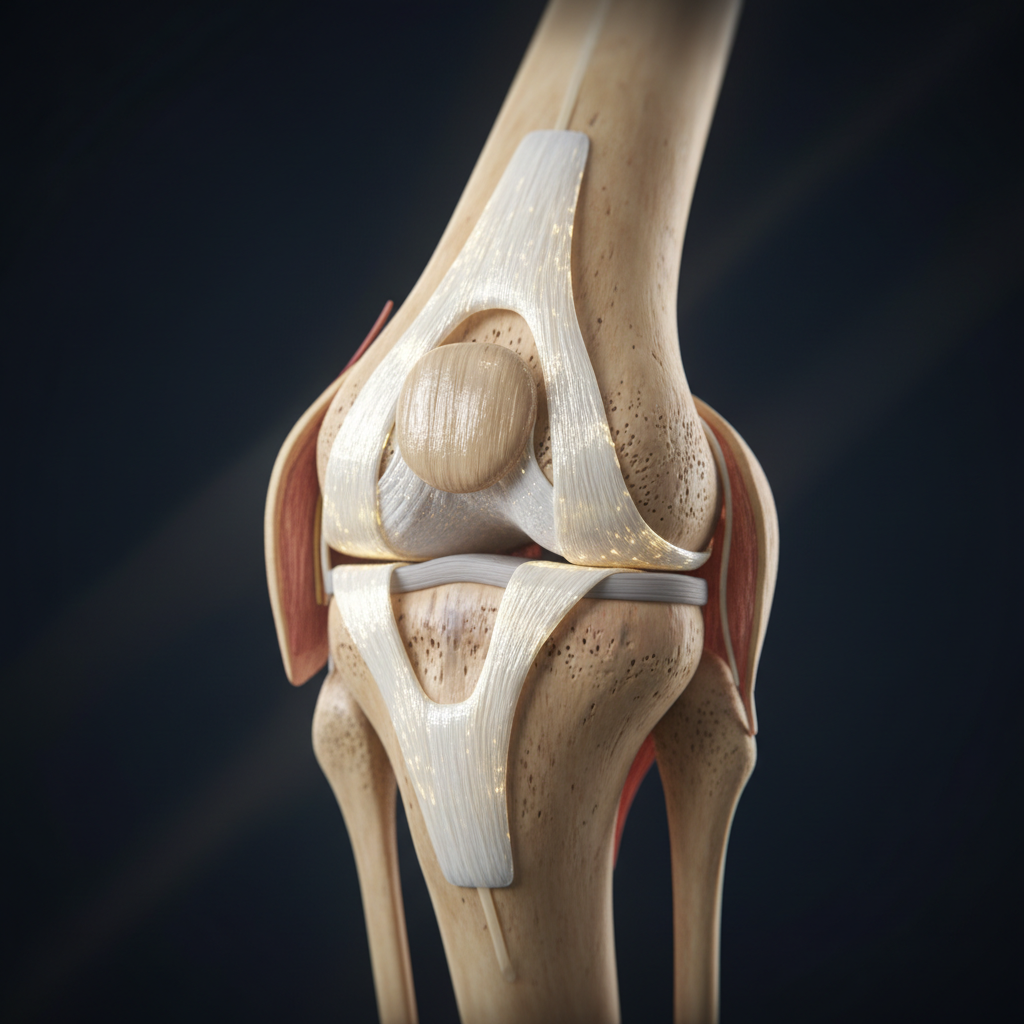
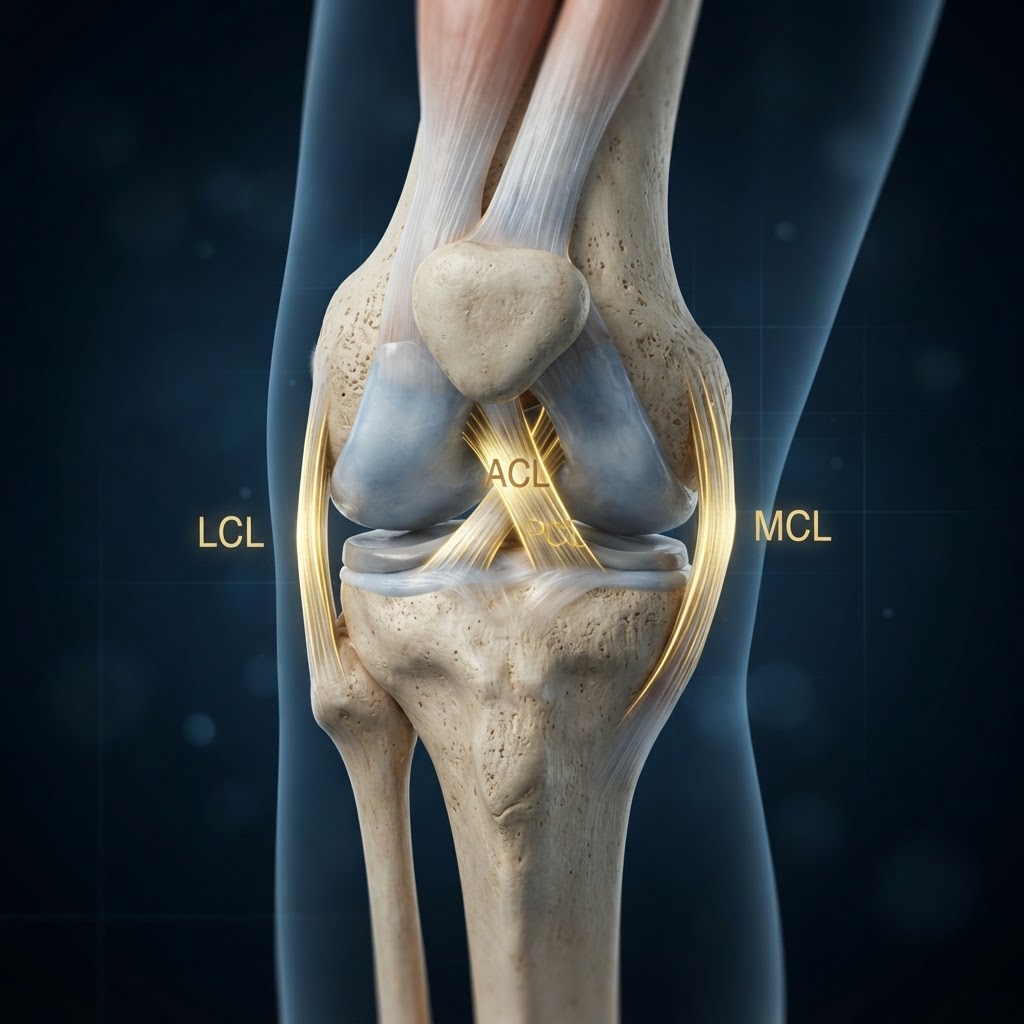
This is anatomical context, not a measurement claim. For the anatomy itself, see The ACL: Understanding the Knee's Most Critical Ligament in Sport.
Start With the Athlete's Baseline
Nothing about the response means anything without a starting reference. The baseline records how this athlete currently performs a defined change-of-direction task — same task, same conditions, same instrument configuration — alongside what they report about how it feels.
The athlete becomes their own comparison. There is no universal "normal" cut to hit; the reference is this athlete's own recorded response. If no baseline exists yet, why an athlete baseline matters explains the starting point.
What Can the Sensor Sling Measure?
The I AM 900 Sensor Sling records supported physical measurements at Sling measurement locations while the athlete performs the task. Where the relevant instrument configuration supports it, the measured variables include:
Sling Pressure and Pressure Distribution
Distributed pressure recorded at relevant Sensor Sling measurement locations — and how that recorded pressure is distributed across those locations as the athlete decelerates, plants and exits the cut.
Angle and Orientation
Orientation information supported by the sensor configuration — how the measured position or alignment at the Sling location changes through the phases of the task.
Timing and Sequence
When measurable events occur — and the order in which they occur. In a change of direction, the timing between deceleration, plant and re-acceleration is where the task is actually structured, and it is measurable.
Repeatability
How consistently the measured response appears across comparable trials of the same task. Repeatability matters before anything else: if the response is not repeatable, a single recorded cut is a poor reference. Reliability is a recognised concern in any sports-medicine measurement (Atkinson & Nevill. Statistical methods for assessing measurement error in variables relevant to sports medicine. Sports Medicine, 1998) — it is also why repeatability is a measured variable here, not an assumption.
What Does the Pressure Mat Add?
Where used, the pressure mat records ground/contact pressure and loading information for the same defined task — when and how the foot loads the ground through the cut. The Sensor Sling itself measures pressure at its own measurement locations; where both instruments are used, they provide different measurements relating to the same task. They are not combined into a score. See Sensor Sling vs Pressure Mat: What Does Each Measure?
Pressure Is Not the Same as ACL Strain
This is the boundary that matters. Recorded pressure and pressure distribution at a Sling location describe the physical response measured there. They do not measure the strain inside the ACL. No claim is made here that the measurement reads ligament strain, predicts injury or establishes what caused any previous injury. Measurements record the response — interpretation and clinical context remain separate.
Change the Input
Calibration is a defined change to the input or conditions of the task — directed by the practitioner, based on the baseline measurement. It is not a guess and not a generic drill. What calibration means explains the logic in full.
Retest the Same Task
After the change, the same task is repeated under the same conditions with the same instrument configuration. Same task, same demand — that is what makes the second measurement comparable to the first.
Compare What Changed
The comparison is between baseline and retest — and, over time, between successive comparable sessions. The difference is information. It describes what changed in the measured response. It does not, by itself, establish why it changed, and it is not a guarantee of performance or injury outcomes.
The Athlete Becomes Their Own Reference
That is the practical point of the whole framework: baseline → measure → change the input → retest → compare. The ACL article above explains the structure. This article applies the measurement layer to it. To see how this fits the wider sport pathway, visit /sport, the method page, the calibration process, and the I AM 900 Sensor Sling.