What Is Proprioception and Why Does It Matter?
Proprioception is the body's ability to sense the position, movement, and force of its joints without visual input. It is what allows a hurler to strike without looking at the sliotar, a GAA footballer to know where their feet are during a solo run, and a goalkeeper to react before consciously processing the visual information.
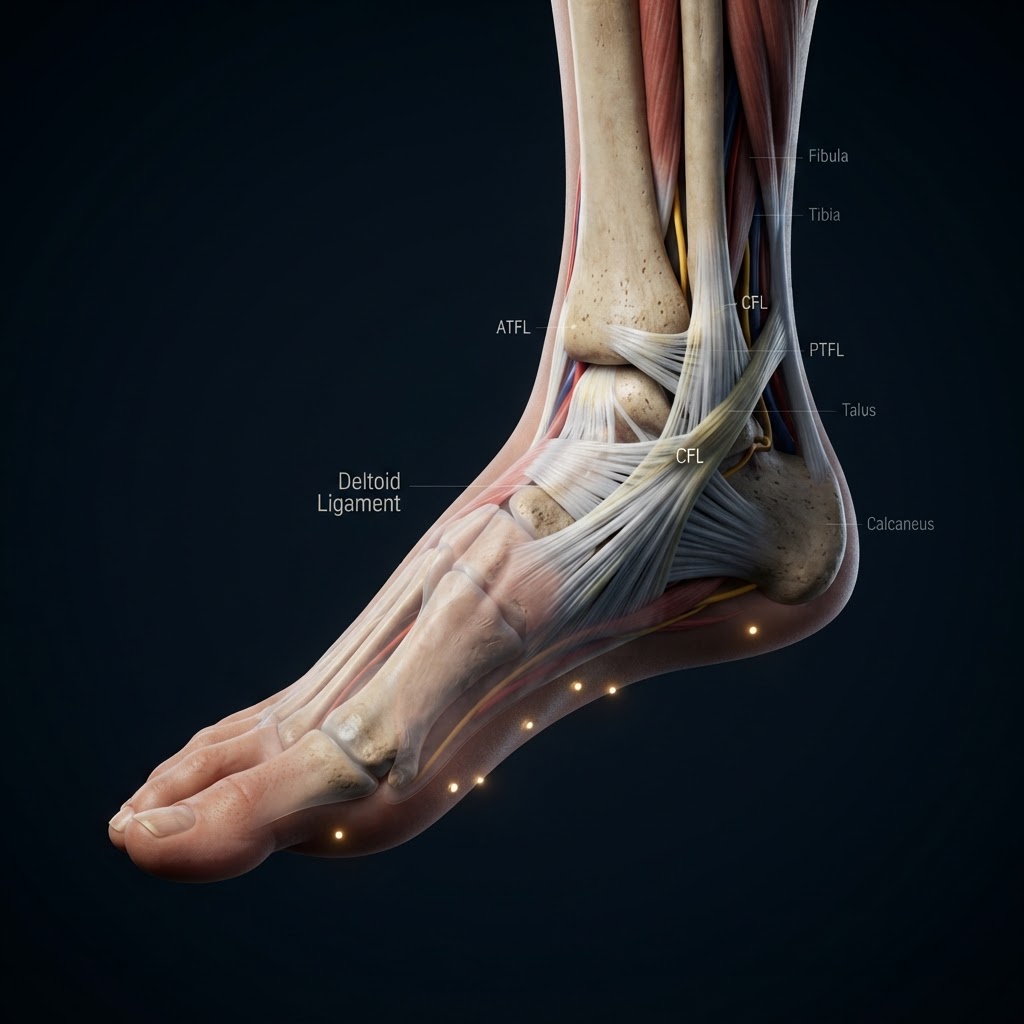
What most athletes do not realise is that proprioception is largely a function of the ligaments.
The Ligament-Proprioception Connection
Every ligament in the body contains mechanoreceptors — specialised nerve endings that detect stretch, tension, and position. The four types are:
- Ruffini endings — detect sustained stretch and joint position
- Pacinian corpuscles — detect rapid changes in pressure and acceleration
- Golgi-like endings — detect tension at extreme ranges
- Free nerve endings — detect pain and excessive mechanical stress
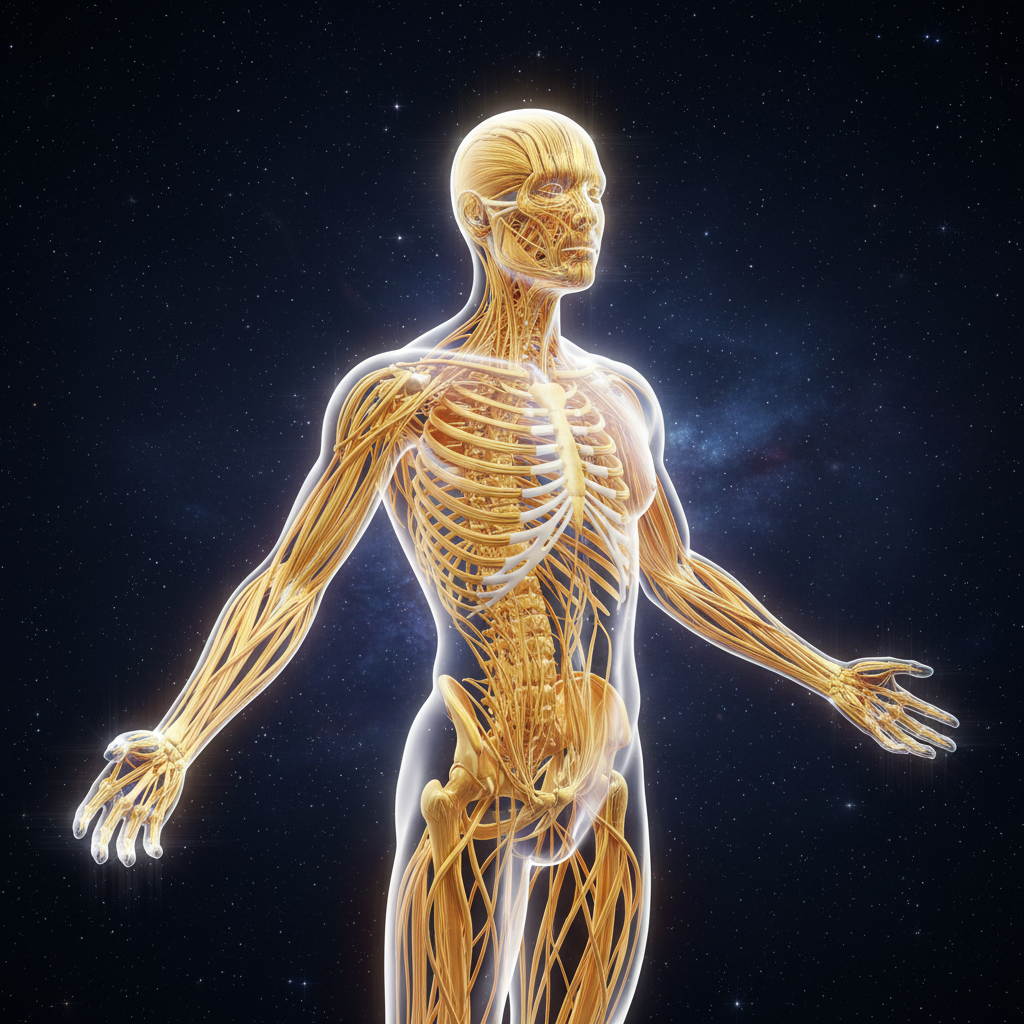
These receptors send constant information to the brain about the state of every ligament and joint. The brain uses this information to:
- Coordinate movement — timing muscle activation precisely
- Trigger protective reflexes — contracting muscles before injury occurs
- Maintain balance — adjusting posture in real time
- Plan motor patterns — refining technique through feedback
Why Proprioception Is Critical in GAA and Hurling
Gaelic games demand extraordinary proprioceptive ability:
- Solo running — the player must control the ball at speed without looking down
- Hurling/camogie striking — the swing must be perfectly timed and positioned
- Cutting and evading — rapid direction changes on potentially uneven ground
- Catching under pressure — the hands must meet the ball precisely
- Physical contact — maintaining balance while being tackled
Every one of these skills depends on the proprioceptive information flowing from the body's ligaments to the brain.
How Ligament Injury Destroys Proprioception
When a ligament is injured — even partially — the mechanoreceptors within it are damaged or destroyed. This is why after an ankle sprain or ACL reconstruction, athletes often report:
- Feeling less confident in the joint
- A sense of instability or giving way
- Slower reaction times
- Difficulty returning to pre-injury performance
This is not weakness — it is the loss of the ligament's sensory function. Without proprioceptive input, the brain cannot coordinate the protective and performance-enhancing reflexes that the sport demands.
Restoring and Enhancing Proprioception
Proprioception can be trained and enhanced:
- Balance training — single-leg work, unstable surfaces
- Closed-kinetic-chain exercises — the foot or hand is fixed, challenging the joint to stabilise
- Barefoot training — maximises foot and ankle proprioceptive input
- Reaction drills — train the reflex pathways, not just the muscles
- Sport-specific movements — proprioception is task-specific
The Hidden Performance Driver
Here is the key insight: enhanced proprioception is enhanced performance. The athlete who can sense their joint position 50 milliseconds faster than their opponent has a measurable advantage in every sport — particularly in the fast, multi-directional demands of GAA and hurling.
The I Am 900 Approach
Our sling and distal sensor system reads proprioceptive function directly — by measuring how the ligament network responds to dynamic, multi-directional movement. The sensor data reveals:
- Which joints have diminished proprioceptive function
- How quickly the ligament reflexes fire
- Where asymmetries exist between left and right
- Which positions the athlete struggles to control
This data guides targeted proprioceptive enhancement that delivers measurable improvements in reaction time, cutting speed, and movement confidence.
In Gaelic games, the margin between winning and losing is often measured in milliseconds. Proprioception — the ligaments' hidden function — is where those milliseconds are won or lost.