No Pre-Injury Baseline? Start With Where You Are Now
Most people do not have movement or loading measurements from before their injury or event. That does not make baseline measurement useless — it changes what the baseline means. The first sufficiently defined assessment can become the CURRENT baseline: the recorded starting point for everything that happens next.
The Locked Principle
I AM 900 isn't about what happened to you. It's about where you are now — and what can change next.
Why a Current Baseline Is Enough
The pre-event record is gone, and measurement cannot reconstruct it: current measurements do not rebuild what happened during the original event, and they are not interpreted that way. What a current baseline provides is something more usable — a defined, repeatable record of the present. From there, the process is the same as it is for everyone: measure, change the input, retest, compare against that baseline. The logic is set out in Why We Establish a Baseline Before Asking What Needs to Change.
What the First Assessment Records
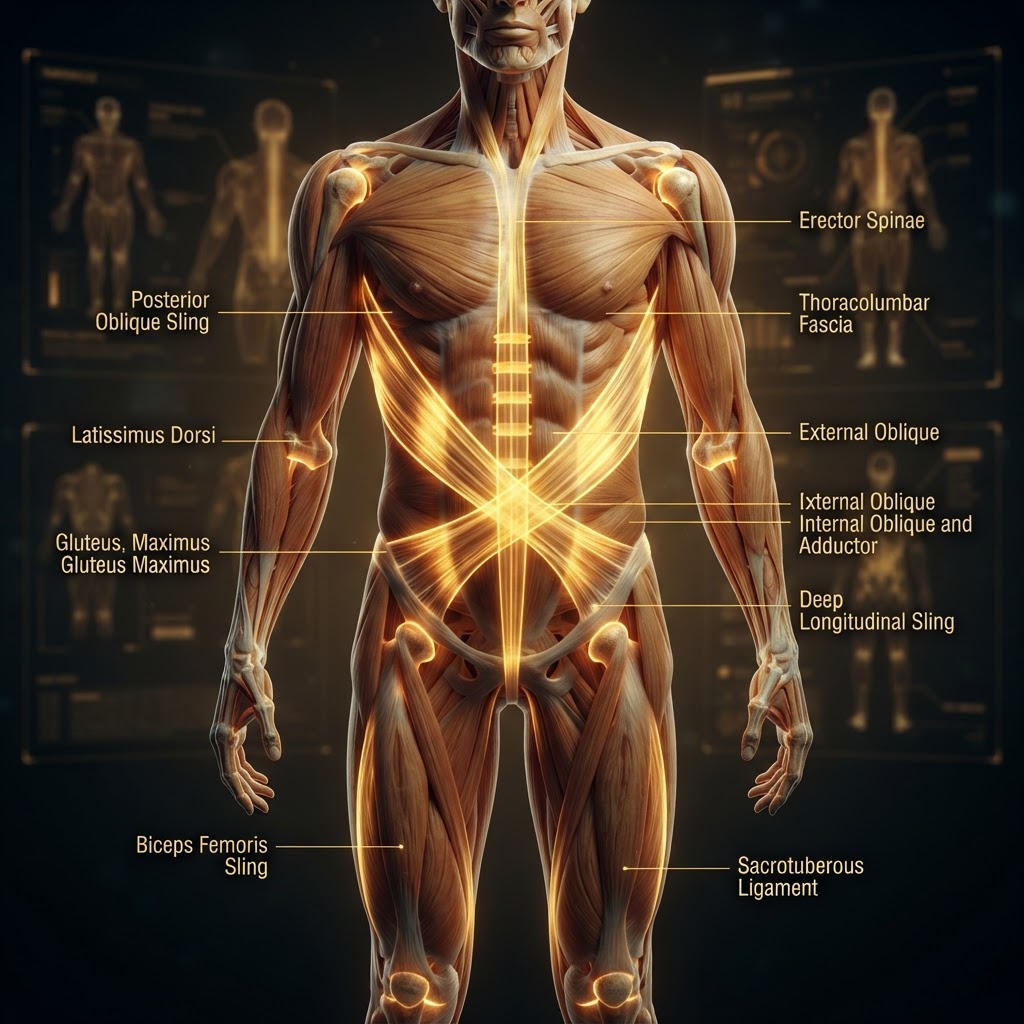
The first assessment is a defined movement or loading task, performed the same way each time. Where the instrument configuration supports it, the I AM 900 Sensor Sling records supported physical measurements: sling pressure and pressure distribution at relevant Sling measurement locations, angle / orientation where supported, and the timing, sequence and repeatability of the recorded response. Where used, the pressure mat records ground/contact pressure, loading and distribution for the same task — separate measurements, never combined into a score.
From Baseline to Comparison
Calibration applies a defined, practitioner-directed change to the input or conditions (what calibration means). The same task is then repeated under the same conditions, and the retest is compared with the current baseline: what changed in the observable physical response. The first comparison might be modest — that is expected. Its value is that it makes the second one meaningful, and the retest logic holds throughout: Why Re-testing Matters: Measurement Gives Us a Comparison.
What This Does Not Claim
The current baseline describes the present. It does not diagnose the cause of the original event, does not reconstruct pre-injury movement, does not measure psychological trauma, and is not a prediction. The comparison is information about the response — not an explanation of the event and not a guarantee of recovery.
Where This Fits
The trauma pathway is at /trauma; the method at /method; the calibration process at /calibrate; the instrument at I AM 900 Sensor Sling. Related reading: Trauma and the Physical Response: Start With What We Can Measure and What Does Your Physical Response Tell Us?.